
The Moment My Face Felt Like It Was on Fire
I will never forget the evening my obsession with perfect skin completely backfired. I had just bought a trendy new chemical peel, and I was so desperate to clear my pores that I used it three nights in a row. By the fourth morning, I woke up, splashed plain water on my face, and instantly felt a sharp, burning sting.
My skin was bright red, tight as a drum, and peeling in places I didn’t even know could peel. I remember staring in the bathroom mirror, holding back tears, realizing I had totally destroyed my skin barrier. My makeup wouldn't sit right, simple moisturizers felt like acid, and I felt absolutely helpless. I had to learn the hard way that more is not always better when it comes to skincare.
Living with an intensely damaged skin barrier completely drained my self-confidence. You wake up every morning hoping the redness has calmed down, only to see angry, inflamed skin looking back at you. It takes a massive toll on your mental peace.
I found myself canceling plans with friends because I was too embarrassed about the sudden, painful breakouts scattered across my cheeks and chin. Going to work felt like a nightmare. I hated sitting under those bright fluorescent office lights, knowing my face looked like a shiny, irritated mess.
Even the most basic daily tasks become incredibly stressful. Taking a shower becomes painful because the warm water hits your sensitized face and causes a burning sensation. Stepping outside into the cold wind or the hot sun feels like a direct attack on your skin.
You spend hours endlessly searching online for a magical quick fix, spending money on heavy creams that just seem to sit on top of your face. It is a lonely, frustrating cycle of trying to hide the damage while desperately hoping your skin will just go back to normal. We just want to feel comfortable in our own skin again, without the constant tightness and stinging.
What Exactly Did We Break? The Science Simplified
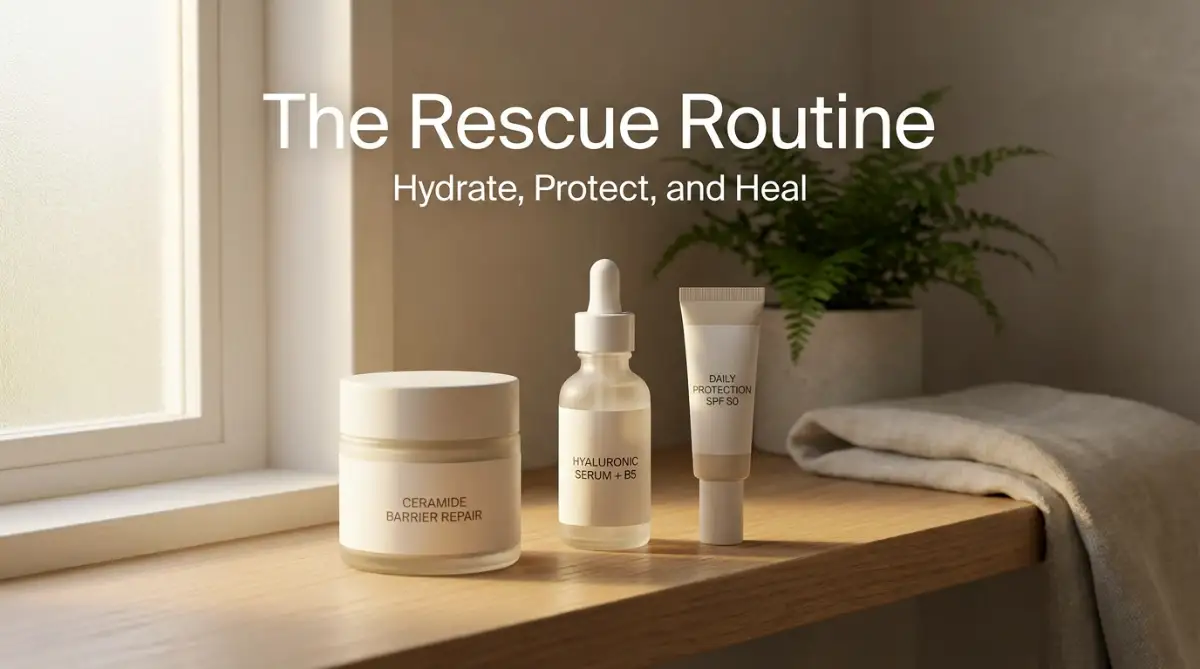
To truly fix this mess, we first need to understand what we actually did to our faces. Imagine your skin as a beautiful, sturdy brick wall protecting a house. The bricks are your healthy skin cells, and the mortar holding them together is made of natural fats, oils, and ceramides.
When this wall is strong, it keeps the good stuff in and the bad stuff out. Moisture stays locked deeply inside your skin, keeping it plump and happy. Harmful bacteria, pollution, and allergens are easily blocked from entering.
But when we scrub too hard with harsh physical exfoliants or overdo it with strong acids like AHAs and BHAs, we strip away that protective mortar. We literally melt away the glue that holds the wall together. Suddenly, your skin has giant, invisible holes in it.
This leads to something experts call Transepidermal Water Loss (TEWL). It means all your natural hydration is evaporating straight into the air. At the same time, because the wall is broken, irritants and bacteria easily slip inside, causing those angry, painful breakouts.
The Secret Warning Signs You Ignored
Often, our skin tries to warn us before a total barrier collapse. We usually ignore these tiny red flags because we think our products are just "working really hard."
If your skin looks surprisingly shiny and smooth but feels incredibly tight, that is not a healthy glow. That is the famous "saran wrap" look of a stripped barrier. Your skin has lost its natural texture and is stretched to its absolute limit.
Another major sign is when your regular, boring, safe skincare products suddenly start to sting. If a simple hydrating toner or a plain moisturizer makes your face burn for a few seconds, you have gone too far.
You might also notice sudden, unusual oiliness. Your skin realizes it is desperately dry, so it panics and produces massive amounts of oil to try and protect itself. This overproduction of oil mixed with a broken barrier is a guaranteed recipe for severe breakouts.
Watch This Quick Visual Guide to Skin Barrier Health:
Are you confused about whether you are dealing with regular acne or a broken barrier? This short video perfectly explains the visual differences so you can treat your skin the right way.
The 48-Hour Emergency Stop Routine
When your face is burning and irritated, you need an immediate intervention. The very first step is the hardest for skincare lovers to accept: you must stop using everything.
For the next 48 hours, you are going on a strict skincare diet. Hide your facial scrubs in the back of your cabinet. Put your retinol, vitamin C serums, and salicylic acid toners in a drawer where you cannot see them.
Right now, active ingredients are your worst enemy. Your only goal is to cool the fire and stop the active damage.
Wash your face only once a day, preferably at night, using lukewarm water. Hot water will only strip away the tiny bit of oil you have left. In the morning, just splash your face with cool water and gently pat it dry with a soft, clean towel. Do not rub the towel across your face under any circumstances.
My Personal Wake-Up Call
I remember during my worst breakout phase, I kept applying spot treatments over my damaged barrier thinking I was fixing the acne. I was actually burning chemical holes into my already vulnerable skin, which made the dark spots last for months. My biggest realization was that healing requires extreme patience, and stepping away from my intense routine was the only thing that actually saved my skin.
Rebuilding the Wall: Ingredients You Need Now
Once you have calmed the initial fire, you need to give your skin the exact building blocks it needs to repair that broken brick wall. This is where choosing the right ingredients becomes essential.
Ceramides are your best friends.
Remember the mortar we talked about earlier? Ceramides make up about 50 percent of that natural glue in your skin. Using a thick, creamy moisturizer packed with ceramides is literally like patching the holes in your protective wall.
Hyaluronic Acid and Glycerin for hydration.
Because your skin is losing water rapidly, you need humectants to grab moisture from the air and pull it back into your cells. Apply these hydrating serums on damp skin to trap as much water as possible before sealing it in.
Panthenol (Vitamin B5) and Centella Asiatica.
These are the ultimate soothing ingredients. Centella Asiatica, also known as Cica or Tiger Grass, has incredible healing properties. It dramatically reduces redness and speeds up the recovery process of wounded skin.
Ingredients to Avoid Like the Plague
While we know to avoid acids and physical scrubs, there are hidden irritants in everyday products that you must dodge. Fragrance is the number one offender.
Even natural essential oils like lavender, citrus, or tea tree oil can cause massive reactions on compromised skin. Look for products that clearly state they are 100 percent fragrance-free and hypoallergenic.
Denatured alcohol is another sneaky ingredient found in many lightweight gel moisturizers and sunscreens. It gives a quick-drying matte finish, but it will severely dry out your already parched face. Read your ingredient lists carefully before putting anything new on your skin.
Myth vs Reality: Exfoliation Truths
Let's clear up some massive misunderstandings about exfoliating. The beauty industry has taught us some very bad habits over the years.
Myth: You need to exfoliate every single day to have smooth skin.
Reality: Your skin naturally sheds dead cells on its own every 28 days. Exfoliating 1-2 times a week is more than enough to gently help this process along.
Myth: If your skin is flaking, you need to scrub the flakes away.
Reality: Flaking is a sign of intense dryness and a broken barrier. Scrubbing those flakes will rip off healthy skin cells underneath, causing bleeding and prolonged damage. You need intense hydration, not friction.
Myth: The tingling sensation means the product is working.
Reality: Skincare should never hurt. A very mild, brief tingle from an acid is normal, but a painful burning sensation means your skin barrier is actively being destroyed.
A Simple 3-Step Rescue Routine
Let's build a highly practical, foolproof routine that you can start tonight. Keep it simple, gentle, and consistent.
Step 1: The Gentle Cleanse
Switch to a milky, non-foaming cleanser. Gel cleansers that lather up heavily usually contain sulfates that strip oils. Massage the milky cleanser onto your skin for just 30 seconds, rinse thoroughly, and leave your face slightly damp.
Step 2: The Hydration Sandwich
While your skin is still wet, apply a soothing, basic hydrating serum or essence. Snail mucin or a plain hyaluronic acid serum works wonders here. This acts as a tall glass of water for your thirsty skin cells.
Step 3: The Heavy Seal
Immediately lock that hydration in with a rich barrier cream. Do not be afraid of heavy textures right now. If your skin is exceptionally dry, you can even apply a very thin layer of plain petroleum jelly over the dry patches before going to bed. This technique, known as slugging, completely stops water evaporation while you sleep.
The Progress Check: Healing vs Healthy Skin
It is highly helpful to know exactly where you stand in your recovery journey. Check this simple guide to track your progress.
Lifestyle Tweaks for Faster Healing
Skincare products only do half the work. What you put inside your body and how you treat your environment plays a massive role in how fast your face heals.
Start by drinking significantly more water than you usually do. Your skin hydrates from the inside out, so keeping your body flushed with water helps repair the cellular damage. Eat foods rich in Omega-3 fatty acids, like salmon, walnuts, and chia seeds, to boost your natural oil production.
Pay close attention to your sleeping environment. If you sleep in a room with air conditioning or heavy heating, the air is likely very dry. Running a cool-mist humidifier next to your bed can completely change your skin by morning. It puts moisture back into the air so it doesn't get sucked out of your face.
Change your pillowcases every two days during this healing period. Damaged skin is highly susceptible to bacterial infections. Sleeping on a fresh, clean surface prevents unnecessary breakouts from forming in your vulnerable pores.
The Waiting Game: How Long Will It Take?
One of the most common questions I get asked is how long it takes for the nightmare to end. The honest truth is that it depends on how much damage was done.
If you just overdid it slightly over a weekend, your barrier can repair itself in about two to three weeks with a strict, gentle routine. You will start noticing the burning sensation disappear within the first few days.
However, if you have been using harsh scrubs and high-percentage acids daily for months, full recovery might take a minimum of three months. Skin cells take time to turn over and rebuild that protective wall from scratch.
Patience is your ultimate weapon here. Do not get frustrated if you do not see immediate results in a week. Trust the process, keep hydrating, and let your amazing body do what it naturally knows how to do.
When your skin finally feels bouncy, calm, and strong again, you will appreciate healthy skin more than ever. You can eventually go back to using exfoliants, but you will do it smarter, gentler, and with a newfound respect for your beautiful skin barrier.
Beyond the Basics: Master-Level Barrier Rescue Secrets
Once you stop the immediate burning, your skin begins the quiet process of rebuilding. But getting your face back to its normal state requires a little more strategy than just slathering on thick creams. I want to share some next-level habits that completely changed my recovery journey.
We often forget that our face is home to a microscopic living ecosystem called the skin microbiome. Think of it like a beautiful, balanced garden living on the surface of your face. When you over-exfoliate, you do not just remove dead skin; you completely wipe out the good bacteria that keep acne-causing germs away.
To bring this garden back to life, you need to create a calming environment. This is where understanding your unique skin type becomes incredibly helpful. Using gentle, microbiome-friendly products helps those good bacteria return and multiply.
You can read more about understanding your unique skin type to ensure you are feeding your skin exactly what it craves.
The Temperature Shock Trap
One of the biggest secrets to fast healing involves something totally free: controlling your water temperature. Many of us love standing under a steaming hot shower, letting the water run directly over our faces. This is a massive mistake for compromised skin.
Hot water acts just like heat on a frying pan full of butter. It literally melts away the natural lipids and ceramides your skin is desperately trying to produce. According to dermatological research on the stratum corneum, maintaining cooler skin temperatures is directly linked to better moisture retention.
Always wash your face at the sink with cool to lukewarm water. If you must shower in hot water, keep your face completely turned away from the showerhead. Apply a thin layer of plain moisturizer before stepping in to act as a protective shield against the steam.
Mastering the Moisture Sandwich Method
If your skin still feels tight in the middle of the day, you need to change how you apply your products. Applying a heavy cream to bone-dry skin is like putting a thick blanket over a dry sponge. It just sits there doing nothing.
Instead, use the moisture sandwich technique. Start by cleansing gently and leaving your face visibly wet. Immediately pat in a hydrating serum containing glycerin or hyaluronic acid. While that serum is still tacky, spray a gentle facial mist or simply splash a tiny bit of plain water on top.
Finally, lock all those layers of water in with your thick ceramide cream. This traps maximum hydration deeply inside your skin cells. This method is incredibly effective for calming inflamed and irritated skin almost overnight.
Pro-Level Daily Habits for Healing
To keep your recovery on the right track, try following these specific daily adjustments. These small changes make a massive difference in how quickly your protective wall rebuilds itself.
- Skip the morning cleanse: Unless you are extremely oily, simply rinse your face with cool water in the morning. Cleansers can strip away the natural healing oils your skin produced overnight.
- Pat, never rub: Treat your face like fragile silk. When applying products or drying your face, use gentle patting motions with your fingertips.
- Mind your sleep position: Try to sleep on your back. Pressing a damaged, sensitive cheek into a rough cotton pillowcase for eight hours creates friction that delays healing.
The Danger Zones: Mistakes That Reset Your Progress
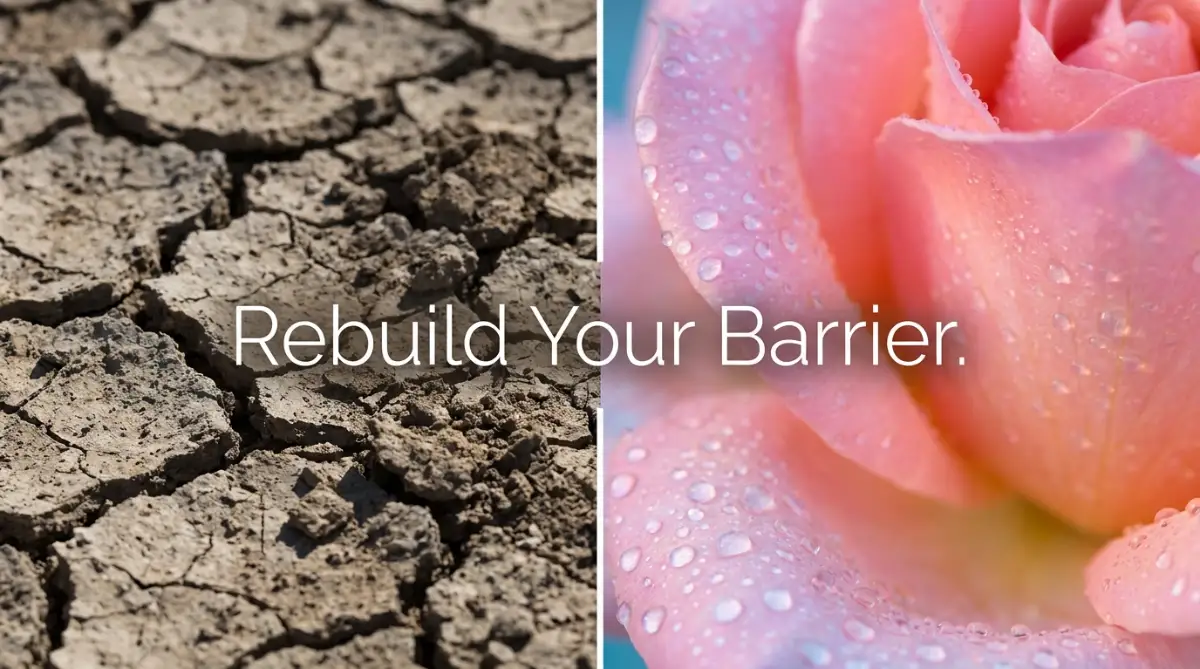
When we see our skin looking red and angry, our natural human instinct is to panic. This panic often leads us to make emotional, rushed decisions that actually make the situation ten times worse. I have fallen into these traps myself, and they only prolonged my suffering.
The most common trap is the "product-hopping" cycle. You buy a new repairing serum, use it for two days, see no instant magic, and immediately buy something else. Constantly introducing new chemical formulas to a broken barrier is a guaranteed way to trigger severe contact dermatitis.
Your skin is already in a state of high alert. It views every new ingredient as a potential threat. You must stick to a boring, basic routine for at least four straight weeks to see real progress.
The Invisible Enemy: Sun Damage on Raw Skin
Another massive mistake is skipping sunscreen because you think it feels too heavy on your irritated face. When you over-exfoliate, you remove the top protective layer of your skin. This leaves the fresh, raw, baby skin cells completely exposed to harsh ultraviolet rays.
If UV rays hit an unprotected, broken barrier, your skin panics and produces dark melanin to shield itself. This creates stubborn brown spots and post-inflammatory hyperpigmentation that can take months to fade. Always wear a gentle mineral sunscreen, even indoors if you sit near a window.
Medical experts emphasize that UV exposure on compromised skin dramatically increases cellular inflammation. You can check Harvard Medical School's insights on skin inflammation to understand why sun protection is non-negotiable during recovery.
Masking the Pain with Heavy Makeup
I completely understand the urge to cover up a red, flaky face before heading out in public. But heavily concealing damaged skin is like putting a tight, dirty bandage over an open wound.
Most full-coverage foundations contain heavy silicones, fragrances, and drying alcohols. When your barrier is missing its protective seal, these makeup ingredients seep deeply into your pores. This traps bacteria underneath your foundation, leading to deep, painful cystic acne.
If you absolutely must wear makeup for work or an event, use a minimal amount of a hydrating mineral concealer. Wash it off the absolute second you walk back through your front door. Avoiding these sneaky skincare mistakes ruining your barrier will save you weeks of frustration.
The Safe Return: Introducing Actives Again
Eventually, your skin will stop stinging, the redness will fade, and your face will feel bouncy and comfortable again. When this happy day arrives, you might be tempted to jump right back into your old exfoliating routine. Please do not do this.
You have to ease back into active ingredients incredibly slowly. Think of your newly repaired skin as a beginner who has never exercised before. You would not ask them to run a marathon on their first day at the gym.
Start by picking the gentlest possible chemical exfoliant. Lactic acid or Polyhydroxy Acids (PHAs) are wonderful options because they have large molecule sizes. They gently dissolve dead skin on the very surface without penetrating deeply enough to cause irritation.
Use this mild exfoliant exactly once a week for an entire month. Monitor your skin closely for any signs of returning redness or tightness.
Once your barrier is strong and fully adapted, you can eventually explore other ingredients. If you plan to mix different products, you must learn the proper rules. Reading up on layering niacinamide safely can prevent you from accidentally burning your face a second time.
Similarly, if you want to focus on anti-aging later down the line, take it extremely slow. You can find excellent advice on introducing retinol without irritation to keep your newly healed barrier completely safe.
Real Questions From Panic-Stricken Skin Sufferers
How long does a completely ruined skin barrier take to heal?
For mild cases of over-exfoliation, you can see significant improvement in two to three weeks with a strict hydration routine. However, severe damage with deep peeling and chronic redness can take up to three months of consistent, gentle care to fully rebuild the protective lipids.
Can a damaged skin barrier cause sudden, massive breakouts?
Yes, absolutely. When the barrier is broken, harmful bacteria easily enter your pores, and moisture escapes. Your skin panics and produces excess oil to compensate, which mixes with the bacteria to create painful, inflammatory acne almost overnight.
Should I use natural oils to fix my over-exfoliated face?
Not all natural oils are safe for compromised skin. Essential oils like tea tree or lavender will cause severe burning and allergic reactions. Instead, stick to pure, unscented plant oils like squalane or jojoba oil to gently seal in moisture without clogging pores.
Is it normal for my face to itch wildly while it heals?
Mild itching is actually a very common sign that your skin tissue is actively repairing itself. However, if the itching is accompanied by intense heat or raised hives, you might be having an allergic reaction to a new healing cream, and you should stop using it immediately.
How do I safely wash my face when everything burns?
Switch to a milky, non-foaming cleanser and use only your bare, clean hands. Wash your face using cool water, lightly massage for just twenty seconds, and gently pat dry with a soft microfiber towel to avoid any physical friction.
Your Blueprint to Happy, Glowing Skin
Repairing an over-exfoliated face is not about finding one magical overnight cream. It is about taking a massive step back, practicing extreme patience, and treating your face with the gentlest possible touch.
You have learned how to identify the silent warning signs, how to stop the burning immediately, and exactly which ingredients rebuild your broken moisture wall. You now know to avoid hot water, skip the daily scrubs, and protect your vulnerable face from the sun at all costs.
Skin is an incredibly resilient organ. Even if you feel like you have ruined your face forever right now, I promise you that your skin knows exactly how to heal itself. By simply getting out of its way and providing basic hydration, you are allowing that natural recovery process to happen.
I know exactly how stressful and confidence-crushing a damaged barrier can feel right now. But my skin fully bounced back stronger than ever by trusting this simple, gentle process, and I know yours will too. Take a deep breath, put away those harsh acids tonight, and give yourself the grace to heal slowly.
Disclaimer: The information provided in this article is for educational and informational purposes only and does not constitute medical advice. Skincare reactions vary from person to person. If you are experiencing severe pain, chronic inflammation, or signs of infection, please consult a board-certified dermatologist or healthcare professional immediately before trying any new routines or products.