
My Skin Was Crying For Help (And I Ignored The Signs)
I remember staring in the mirror and feeling completely defeated. My face was red, stinging, and covered in tiny breakouts that just would not go away. I thought I was doing everything right by following a strict ten-step skincare routine. I bought all the expensive serums and scrubs, hoping for that perfect glowing look. Instead, my skin felt tight, itchy, and constantly irritated. I had no idea I was quietly weakening the exact shield meant to protect me.
If you are reading this, you might be feeling that same frustration right now. You wash your face, and it instantly feels like it might crack. You apply a simple moisturizer, and your skin burns like it is on fire.
It is exhausting to spend hard-earned money on beauty products only to see your skin get worse. The constant redness and sudden breakouts can be quite stressful to handle daily. I know I canceled plans with friends because my skin felt so uncomfortable and irritated.
You end up piling on thick makeup to hide the damage, which only makes the irritation worse. Your mental peace takes a huge hit when you are constantly stressing about what product caused today's breakout. It feels like an endless cycle of trying a new cream, getting burned, and starting over from scratch.
We often blame hormones or our diet when things go wrong with our face. But the truth is much closer to the surface. Your skin has a built-in shield, and your daily habits might be tearing it down block by block.
Understanding this protective layer changed my entire approach to self-care. It finally gave me my confidence back, and I want to share exactly how you can get yours back too.

The Invisible Shield: How Your Skin Protects You
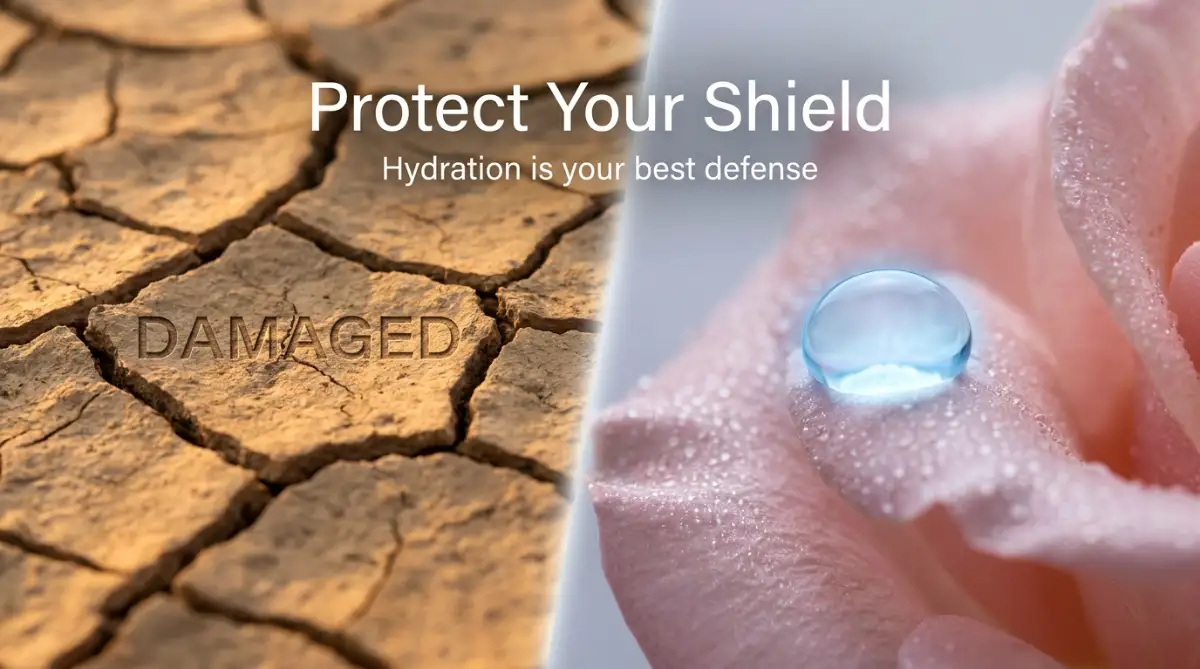
Before we can fix the problem, we need to understand what is actually broken. Think of your skin as a strong brick wall built to keep the bad stuff out and the good stuff in. The skin cells are the strong bricks holding the structure together.
The natural oils, ceramides, and lipids act like the sticky mortar between those bricks. When this wall is healthy, it keeps water trapped inside so your face looks plump and hydrated. It also completely blocks harmful bacteria, pollution, and harsh weather from getting inside.
When you do things that strip away that natural mortar, the wall becomes weak and starts to crumble. Microscopic cracks form on the surface of your face. Water easily escapes through these cracks, leaving you with dry, flaky patches that refuse to heal.
At the same time, outside irritants sneak in through those same cracks. This is exactly why a product that used to work perfectly fine suddenly makes your face turn bright red. Your invisible shield is compromised, and it is sounding the alarm the only way it knows how.
Spotting the Red Flags Before It Gets Worse
Your body is incredibly smart and will always warn you when something is wrong. The problem is that we often mistake these warning signs for normal reactions. If your face feels incredibly tight after taking a shower, that is not a sign of being clean.
That tightness is actually your face crying out for natural oils that have been washed down the drain. You might also notice a sudden increase in oil production by the middle of the day. This happens because your body is panicking and overproducing oil to make up for the intense dryness.
Another major red flag is unusual sensitivity to your daily products. If your daily sunscreen or mild moisturizer makes your face tingle or burn, stop using it immediately. Healthy skin does not burn when you apply basic hydration.
You might also see tiny, rough bumps appearing along your forehead or cheeks that do not look like normal acne. These are clear signals that your protective layer needs a serious break from your current routine.
Everyday Habits That Are Quietly Damaging Your Face
Scrubbing Away Your Natural Defenses
One of the biggest mistakes we make is thinking that smoother skin comes from aggressive scrubbing. Physical scrubs with hard walnut shells or sugar crystals create tiny microscopic tears on your face. You might feel soft for a few minutes, but you are physically stripping away your protective lipids.
Chemical exfoliants like strong glycolic or salicylic acids are great, but using them every single day is a massive mistake. Your skin needs time to rest and rebuild its top layer. When you constantly peel away the surface, you leave raw, unprotected cells exposed to the open air.
I used to think that the tighter and cleaner my face felt, the better my routine was working. I was so wrong, and I learned the hard way that a "squeaky clean" feeling actually means your skin is begging for moisture. Always leave your face feeling soft and slightly hydrated after washing, never tight or dry.
The Danger of Extreme Cleansing Habits
Washing your face seems like the simplest step, but it is where most of the silent damage happens. Using hot water in the shower melts away your natural oils exactly like hot water melts grease off a dirty pan. Always wash with lukewarm or cool water to keep your natural lipids completely intact.
Many foaming cleansers contain harsh ingredients called sulfates. These are the same strong chemicals used in dish soap to cut through heavy grease. While they make lots of satisfying bubbles, they are far too aggressive for your delicate face.
If you want to see exactly how to wash your face without stripping away your natural oils, watch this quick breakdown.
Overloading on Strong Active Ingredients
We live in a time where everyone wants fast results, so we pile on multiple strong products at once. You might be using a vitamin C serum in the morning, an exfoliating acid toner at night, and a retinol cream right after. This cocktail of strong ingredients is simply too much for any normal person to handle.
These active ingredients speed up cell turnover, which is great in moderation. But combining them forces your cells to work overtime without any rest. The resulting chemical clash breaks down your natural defenses faster than your body can repair them.
If you want to use multiple powerful ingredients, you must space them out. Use vitamin C on Monday morning and your retinol on Tuesday night. Giving your face a day off to recover is the smart way to get glowing results.
Skipping Daily Hydration Because of Oily Skin
A very common myth is that oily skin does not need any extra moisture. People with oily skin often skip heavy creams, thinking it will cause more breakouts. This is a huge mistake that actually makes the oil problem significantly worse.
When you refuse to hydrate your face, your internal water levels drop dangerously low. Your brain senses this severe dehydration and sends an emergency signal to your oil glands. Your glands then pump out massive amounts of oil to try and compensate for the missing water.
By using a lightweight, oil-free moisturizer, you tell your brain that everything is fine. The emergency signal stops, and your excessive oil production finally slows down. Hydration is the secret weapon for balancing out an overly greasy face.
The Scientific Blueprint to Rebuilding Your Defenses
Going Back to the Absolute Basics
When your protective layer is broken, you have to treat your face like a newborn baby. The very first step is to immediately stop using all scrubs, strong acids, and powerful retinols. Put those expensive bottles away in a drawer for at least three to four weeks.
Your new routine should only consist of three simple things: a gentle cleanser, a healing moisturizer, and a strong sunscreen. Keep things boring and predictable so your cells can focus completely on healing. Every time you introduce a new product during this fragile stage, you reset the healing clock.
Feeding Your Face the Right Healing Ingredients
To rebuild the mortar between your skin cells, you need to apply products that mimic your natural lipids. Look for moisturizers that specifically contain ceramides on the ingredient list. Ceramides are the exact building blocks your skin naturally produces to keep the bad stuff out.
You also need ingredients that grab onto water and hold it tightly inside your cells. Hyaluronic acid and glycerin are fantastic for pulling water from the air directly into your face. Apply these hydrating serums on damp skin to trap as much moisture as possible.
Another incredible healing ingredient is panthenol, also known as Vitamin B5. It quickly calms down extreme redness and stops the burning sensation almost instantly. Slathering on a thick cream with panthenol before bed is a wonderful way to speed up the recovery process.
Understanding the Difference Between Dry and Dehydrated
Many people confuse dry skin with dehydrated skin, but they require completely different treatments. Dry skin is a natural type where your body simply does not produce enough oil. You need thick, heavy creams packed with natural butter and plant oils to fix this.
Dehydrated skin is a temporary condition where your body lacks water, not oil. This is why you can have incredibly oily skin that still feels tight and flaky. You fix dehydration by drinking plenty of water and using light, watery serums that sink in quickly.
Learning this difference will save you from buying the wrong products. If your face feels greasy but looks dull and papery, you need water, not heavy oils.
Myth vs Reality in Skincare Recovery
There are a lot of rumors out there about how to properly care for a damaged face. Let’s clear up the confusion so you can heal quickly and safely.
Myth: If a product burns, it means it is working deep in your pores.
Reality: Burning is a sign of severe irritation and damage. Skincare should never hurt, sting, or burn.
Myth: You must wash your face twice a day to stay clean.
Reality: If your protective layer is broken, washing with a gentle cleanser only at night is plenty. A quick splash of cool water in the morning is all you really need.
Myth: Natural ingredients are always safer for damaged skin.
Reality: Many natural essential oils like lavender or peppermint are highly irritating. Lab-made, fragrance-free products are much safer for a compromised face.
Protecting Your New Healthy Glow
Once you finally rebuild your defenses and the redness disappears, you must remain careful. It is very tempting to jump right back into using your strong exfoliating acids. If you rush things, you will instantly break the wall down again and have to start over.
When you do reintroduce strong products, do it extremely slowly. Try using your favorite serum just one night a week to see how your body reacts. If everything looks good after two weeks, you can slowly increase it to twice a week.
Always listen to what your face is telling you. If you notice a hint of unusual tightness or a random dry patch, take a step back immediately. Your natural barrier is the most important part of your beauty routine, and protecting it will give you the healthy, glowing look you have always wanted.
Expert Strategies for Long-Term Skin Resilience and Strength
We often think that once our skin stops burning, our healing job is completely done. However, keeping your outer shield healthy is an ongoing process that requires smart daily habits. To make sure you never experience that painful irritation again, you should adopt a few expert techniques. These methods do not require expensive tools, but they do require a basic understanding of your biology.
The Golden Rule of Skin Acidity
Your face loves to be slightly acidic, which helps keep bad bacteria away and keeps your cells happy. Research published in the National Center for Biotechnology Information shows that the natural pH of healthy skin is actually below 5.0. When you use products that are too alkaline, you strip away this protective acidic coat. Always look for cleansers that are labeled as "pH balanced" or "low pH" to support this natural defense system.
Understanding Your Specific Foundation
You cannot protect your shield if you do not know what kind of environment you are working with. Every person has a different balance of oil and water, which changes how you should treat your face. Taking the time for understanding your unique skin type is the first major step toward long-term success. Once you know your base, you can choose products that support your barrier without causing extra oil or dry patches.
The Strategy of Micro-Dosing Your Actives
When you are ready to use powerful treatments again, you must avoid the temptation to apply them too heavily. Instead of using a high percentage of acids or anti-aging ingredients, try micro-dosing. This means using very low concentrations of active ingredients but applying them consistently over time. For example, learning how to introduce retinol into your nighttime routine with a tiny pea-sized drop once a week will give you great results without triggering a massive flare-up.
Mastering the Art of Product Layering
The order in which you apply your products can either strengthen your shield or cause massive chaos. You always want to apply your lightest, water-based products first, followed by your thickest, oil-based creams. When you want to target specific issues like dark spots or dullness, you must know which ingredients play well together. Learning how to layer niacinamide and acids correctly ensures that you get the bright look you want without stripping your protective lipids.
Using Environmental Hacks to Protect Your Shield
The air around you plays a major role in how much moisture your face can hold. During cold winter months or in dry air-conditioned rooms, water evaporates from your face much faster. A simple trick is to place a cool-mist humidifier right next to your bed while you sleep. This adds water back into the air, creating a supportive environment that prevents your skin from drying out overnight.
Balancing the Water-to-Oil Ratio
Your barrier is made of both water (hydration) and oil (lipids). If you only apply watery serums, the moisture will evaporate into the air almost instantly. If you only apply heavy oils, you might clog your pores without actually hydrating the deeper layers. The secret is to use a humectant serum on damp skin first, and then immediately seal it in with a ceramide-rich cream. This trapping method keeps your barrier fully protected and hydrated for hours.
The Double-Cleansing Rule for Evening Recovery
We want to remove sunscreen and makeup completely without drying our face out. The secret is to use a gentle oil-based cleanser first to melt away greasy products. Follow this up with a non-foaming water-based wash to clean your pores without stripping lipids. This two-step method ensures your face is perfectly clean and completely ready to absorb your healing night cream.
Feeding Your Skin from the Inside Out
What you put into your body is just as important as what you apply to your face. Eating healthy fats like avocados, walnuts, and wild-caught salmon provides your cells with the essential building blocks they need. Drinking plenty of water throughout the day ensures that your skin remains plump and fully hydrated from the inside out. This holistic approach supports your physical recovery and speeds up the entire healing process.
Hidden Trapdoors That Can Instantly Reset Your Recovery Progress
When your face starts looking healthy and smooth again, it is incredibly easy to let your guard down. You might feel tempted to go back to your old habits, thinking your shield is now indestructible. This is exactly where most people make silent mistakes that completely reset all of their hard work. Healing is not a straight line, and avoiding these common traps will save you from a lot of future pain.
Falling Back into the Quick-Fix Trap
The biggest mistake people make is getting impatient and searching for immediate changes. When a small pimple appears, our first reaction is to hit it with the strongest spot treatment we can find. We slather on drying alcohols or harsh acids, hoping the blemish will disappear overnight. This aggressive response ruins the healthy cells surrounding the pimple, leaving a raw, red patch that takes weeks to heal.
Instead of panic-treating every small bump, we must learn to be patient and gentle. A single breakout does not mean your whole routine is failing. Focus on using a natural way to repair your damaged moisture barrier to help your body heal itself without extra irritation.
Ignoring Your Body's Internal Stress Signals
We often forget that our skin is a direct reflection of our internal physical and mental health. When you are highly stressed, your body pumps out a hormone called cortisol. High cortisol levels weaken your outer shield and make it much harder for your face to hold onto water. This internal stress can quickly trigger painful breakouts and dry, itchy patches that seem to appear out of nowhere.
If you are struggling with breakouts along your jaw, this is a classic sign of hormonal and stress-related pressure. You must address the root cause of the tension instead of just piling on more creams. Finding ways to soothe stress-induced jawline breakouts will protect your progress and keep your mind at peace.
The Danger of Changing Your Products Too Fast
It is so exciting to try out the latest beauty trends that you see online. However, constantly switching your products is like starting a workout routine and changing the exercises every single day. Your cells need time to get used to new ingredients and start the repair process. When you introduce a new bottle every week, your shield becomes highly confused and easily irritated.
Give every simple product at least four to six weeks before deciding if it actually works for you. Your cell turnover cycle takes about a month, so real changes require time to show on the surface. Consistency is always much better than trying every new bottle that arrives on the market.
Trusting Social Media Trends Over Your Own Senses
We are constantly flooded with videos of people showing off glowing, glassy skin while using ten different products. It is easy to think that if a routine works for an online creator, it will work perfectly for you too. But many of those videos use heavy filters and professional lighting to hide real texture. If you try to copy their long routines, you might end up causing severe irritation and redness on your own face.
Your face is completely unique, and you must trust how your skin feels over what an online influencer says. If a trending product makes your face feel tight or warm, stop using it, no matter how popular it is. Your own physical comfort is the best guide for choosing what belongs in your daily routine.
Using Hot Water During Your Shower Routines
Taking a long, steaming hot shower feels incredibly relaxing after a stressful day. However, hot water is highly damaging to your delicate skin barrier. It quickly melts away your natural oils, leaving your face dry, raw, and completely defenseless. Always wash your face at the sink with cool or lukewarm water to keep your natural moisture barrier completely safe.
Answers to Your Toughest Skin Barrier Questions
We know that dealing with an irritated face can be highly confusing and stressful. To help you navigate your healing journey, here are simple answers to the most common questions people ask about skin barrier repair.
How long does it actually take to repair a damaged skin barrier?
For most people, it takes about three to four weeks of a simple, gentle routine to start seeing real improvement. However, if the damage is severe, it can take up to three months for your outer shield to fully recover. The key is to stay consistent and resist the urge to use any harsh products during this healing phase.
Can I use makeup while my skin barrier is healing?
It is highly recommended to take a break from heavy makeup while your face is raw and irritated. Many foundations contain fragrances and alcohols that can easily sneak into the cracks of your damaged shield and cause further burning. If you must wear makeup, choose a lightweight, mineral-based formula and wash it off gently as soon as you get home.
How do I know if my skin is dry or just dehydrated?
Dry skin is a genetic type that lacks natural oil, meaning your face often feels flaky all over. Dehydrated skin is a temporary condition where your cells lack water, which can leave your face looking dull and oily at the same time. If your face feels tight but still produces a lot of grease, you are likely dealing with dehydration.
Is it safe to wash my face with only water in the morning?
Yes, skipping cleanser in the morning is a fantastic way to protect your natural oils while your shield is healing. A simple splash of lukewarm water is more than enough to refresh your face without stripping away your overnight moisture. Just make sure to use a gentle, low-pH cleanser at night to wash away dirt and sunscreen.
What is the fastest way to calm down unexpected skin irritation?
The quickest way to soothe a sudden flare-up is to apply cold compresses and use a basic moisturizer with calming ingredients like colloidal oatmeal or centella asiatica. You can find highly helpful tips on how to calm inflamed and irritated sensitive skin without causing any extra damage. Avoid trying new products during a flare-up, as this will only make the redness worse.
Your Simple Action Plan for Healthier, Happier Skin
Healing your face does not require a complex ten-step routine or a massive collection of expensive creams. The real secret lies in simplifying your daily habits and giving your body the space it needs to repair itself. When you focus on protection instead of constant correction, your outer shield will naturally find its balance.
Take a close look at your bathroom vanity today and put away anything that feels too aggressive. Swap out your harsh foaming cleansers for soft, hydrating washes that respect your skin's natural pH. Focus on trapping water inside your cells with ceramides, and always wear a gentle sunscreen to block environmental damage.
According to the American Academy of Dermatology, selecting a thick, fragrance-free cream is essential for protecting dry and irritated skin.
Remember that glowing skin is healthy skin, and health takes time to build. Be patient with yourself and your body as you make these positive lifestyle adjustments. By staying consistent and keeping things simple, you can enjoy a calm, radiant face without any of the constant worry.
I remember how painful and lonely it felt when my face was constantly red and irritated from my own mistakes. Changing my habits and trusting the healing process completely transformed my skin and gave me my peace of mind back. I truly hope you take that first step toward a simpler routine tonight, because your skin deserves to feel comfortable again.
Disclaimer: The information provided in this article is for educational and informational purposes only and should not be considered professional medical advice. Always consult with a board-certified dermatologist or qualified healthcare provider before starting any new skincare routine or treating severe skin conditions.