
The Heartbreak of a Low Valuation: My Personal Nightmare
I will never forget the exact moment my phone rang with the news. My wife and I had finally found our absolute dream home, and we were mentally already measuring the living room for a new sofa. We had fought hard to win a nasty bidding war, offering a bit over the listing price just to secure the deal. Then, my mortgage lender called and said the words every homebuyer dreads hearing.
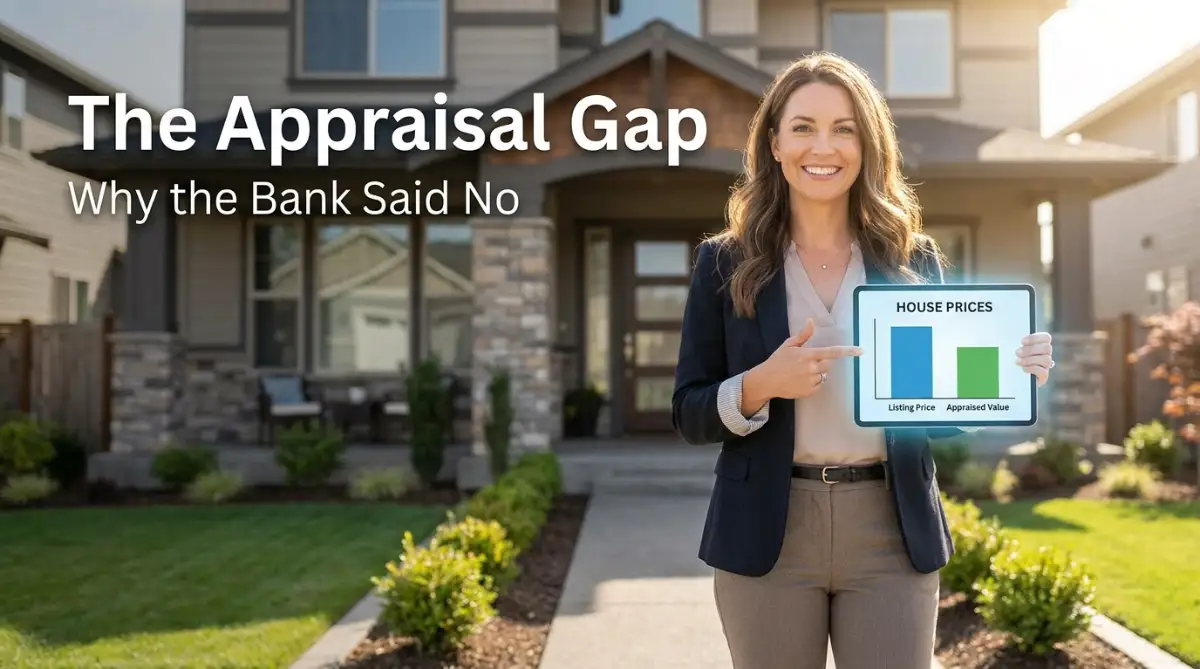
The house appraised for thirty thousand dollars less than our agreed purchase price. My stomach instantly dropped to the floor, and I felt a cold sweat form on my forehead. I literally had to sit down on the edge of my bed because my legs felt completely weak.
All I could think about was losing the beautiful backyard where I pictured my dog running around. I had no extra cash lying around to cover that massive difference out of pocket. It felt like a massive wall had suddenly slammed right down in front of my future. I was angry, confused, and completely heartbroken all at the exact same time.
This exact situation happens to thousands of honest, hardworking people every single day. You spend months driving around different neighborhoods, sacrificing your weekends to attend endless open houses. You finally find the perfect place, you sign the massive pile of paperwork, and you start telling your family the good news.
Then, a single stranger walks through the property with a clipboard for twenty minutes. Suddenly, their simple opinion threatens to destroy everything you have worked so hard to build. The mental toll this takes on a family is completely exhausting.
You start packing your boxes, you give notice to your current landlord, and your kids start getting excited about their new bedrooms. When the bank says the house is not worth the money, panic instantly takes over your entire life. You start losing sleep, tossing and turning while trying to figure out where you can magically find extra money.
The stress often causes massive arguments between partners who are just trying to keep their heads above water. It feels incredibly unfair because you are willing to pay the price, but the bank simply refuses to let you do it.
You feel entirely powerless in a system that seems rigged against regular buyers. The joy of buying a house completely vanishes, replaced by a dark cloud of anxiety and endless "what if" scenarios. But I promise you, this is not the end of your story.
Decoding the Valuation Gap: Why Did the Bank Say No?
Before you start pointing fingers or packing away your moving boxes, we need to understand the logic behind the curtain. An appraisal is basically a safety net for the mortgage lender. They just want to ensure that if you stop paying your loan, they can sell the property and get their money back.
If you agreed to pay four hundred thousand, but the bank thinks it will only sell for three hundred and fifty thousand, they will only loan you the smaller amount. They are protecting their own investment, not trying to ruin your life.
Think of the appraiser like a referee in a sports game. They are supposed to be completely neutral and look only at the facts on the ground. However, referees are humans, and humans make mistakes on the field every single day.
Sometimes, the local market shifts faster than the recorded data can keep up. If three beautiful houses in the neighborhood sold for record-high prices just last week, those numbers might not be in the public system yet. The appraiser is forced to look at older sales that do not reflect today's hot market.
Myth vs Reality: The Appraisal Edition
When panic sets in, people tend to believe a lot of rumors. Let us clear up some common misunderstandings right now.
As you can see, a low valuation is just a single roadblock, not a dead end. Once you understand that the number on that report is just an opinion based on past data, you can start fighting back.
Calm the Chaos: Immediate Actions to Take Today
When that frustrating email arrives, your first instinct might be to call the seller and start yelling. Please take a deep breath and step away from your phone for at least an hour. Reacting out of pure emotion will only hurt your chances of actually saving this real estate deal.
Review the Report Like a Detective
Your very first logical step is to ask your lender for a complete copy of the official appraisal report. You have a legal right to see exactly what this person wrote down about the property. Do not just glance at the final number on the last page; you need to read every single line.
Look closely at the basic facts they recorded about the home. Did they count the right number of bedrooms and bathrooms? Did they accurately measure the total square footage of the living space? Sometimes, they completely miss a finished basement or a recently updated kitchen.
If they compared your custom-built brick home to a cheap vinyl-sided house down the street, you have a solid reason to complain. This document is written by a human who might have been rushing to finish their Friday afternoon workload.
My Personal Insight: When I finally calmed down and actually read my own low appraisal report, I noticed something shocking. The appraiser had marked my home as having no central air conditioning, even though a brand-new unit was sitting right in the backyard! I realized then that nobody is going to fight for my money harder than I will.
The Power of the Rebuttal Strategy
If you find clear, undeniable mistakes in that report, you can actually challenge the results. This process is officially known as a Reconsideration of Value (ROV). You cannot just say "I feel the house is worth more." You must provide hard, undeniable evidence to prove your point.
Work very closely with your real estate agent to find better comparable sales, usually called "comps". You need to find at least three similar houses that sold very recently in the exact same neighborhood. These houses should perfectly match your target home in size, condition, and special features.
Boldly present your evidence to the mortgage lender and politely request that the appraiser review the new data. Sometimes they will admit their mistake and adjust the final price upward. Other times, they might aggressively defend their original work because their professional pride is on the line.
If they refuse to change the number, and you strongly believe they are wrong, you can ask your lender to order a completely new appraisal. You will likely have to pay for this second opinion out of your own pocket. However, spending a few hundred dollars now might save your entire purchase.
Engaging Your Real Estate Agent
If you want to know exactly how a professional agent handles this stressful situation, watch this quick breakdown. This real estate expert shares the exact script they use to successfully challenge a stubborn appraiser and win.
The Art of Compromise: Talking to the Seller
Let us imagine that the original appraisal is actually perfectly accurate. The house is simply overpriced compared to the rest of the neighborhood. Now the ball is entirely in the seller's court, and you need to start a polite but firm conversation.
The seller is probably just as upset and stressed out as you are right now. They were already spending that extra money in their heads, planning their own move to a new location. You both share a common goal: you want to buy the house, and they desperately want to sell it.
Request a Price Reduction
Your best possible outcome is that the seller agrees to lower the purchase price to exactly match the appraised value. If the home appraised for three hundred thousand, they agree to sell it to you for three hundred thousand. This happens much more often than you might actually think.
Why would a seller agree to lose money? Because putting a house back on the market is an absolute nightmare for them. They have to start doing open houses all over again, keeping the place spotless every single day. Plus, the next buyer who needs a mortgage will likely get the exact same low appraisal number.
You can gently remind the seller that you are a ready, willing, and fully approved buyer sitting right in front of them. A bird in the hand is always better than two in the bush.
Meeting Somewhere in the Middle
Sometimes a seller simply cannot afford to drop the price all the way down. Maybe they need a certain amount of cash to pay off their own mortgage. In this situation, you can offer to meet them halfway and share the pain of the low valuation.
For example, if there is a twenty thousand dollar gap, you might ask the seller to drop the price by ten thousand. Then, you agree to bring an extra ten thousand dollars in cash to the closing table. This shows good faith and proves that you are deeply committed to making the deal work.
This strategy requires you to have some extra savings available in your bank account. You should never completely drain your emergency fund just to close a real estate deal. Houses are incredibly expensive to maintain, and you will definitely need cash for unexpected repairs during your first few months.
Changing Your Loan Structure
If the seller absolutely refuses to drop their price even a single dollar, do not give up hope just yet. You still have a few clever financial tricks hiding up your sleeve. You do not need to empty your retirement account or hunt for extra cash hiding under your mattress. Instead, you can simply restructure your actual mortgage loan to solve the entire problem.
Let us imagine you originally planned to put down a solid twenty percent deposit to avoid paying private mortgage insurance. Because the bank valuation came in unexpectedly low, the math has totally changed. You can easily adapt to this by choosing to put down a smaller percentage, like ten or fifteen percent instead.
By putting slightly less money toward your down payment, you instantly free up the exact cash you need to cover that annoying appraisal gap. Yes, your monthly payment will increase a little bit, and you will likely have to pay that extra insurance fee for a few years. However, this smart strategy keeps your deal entirely alive without forcing you to magically produce thousands of extra dollars out of thin air.
You just need to sit down with your loan officer and run the numbers on a few different financial scenarios. Ask them to show you exactly how shifting your down payment money impacts your everyday monthly budget. A truly great loan officer is like a financial problem-solver; they can easily move the numbers around until everything perfectly fits into place.
Switching Lenders Entirely
If your current lender is being completely unreasonable, or the appraiser they hired did a terrible job, you can always walk away. You are absolutely allowed to take your business to a completely different bank or mortgage company.
When you apply with a new lender, they will order a brand new appraisal with a totally different person. This fresh set of eyes might view the property differently and give you the number you actually need.
This is a slightly risky move because starting over takes precious time. You will need to ask the seller to extend the closing date, which they might not want to do. You also have to pay another application fee and wait for the new underwriter to review all your income documents again.
However, if it means saving your dream home from slipping through your fingers, a little extra waiting time is totally worth the hassle. Always keep your options open and never let one single bank bully you into giving up.
Pro-Level Strategies to Master the Real Estate Valuation Gap
Now that we have covered the immediate panic and basic negotiations, it is time to look at the advanced moves. Fixing this problem requires you to think like a seasoned real estate investor rather than a stressed-out buyer. There are specific, legal strategies you can use to force the deal through without emptying your bank account.
One of the smartest moves you can make is utilizing an appraisal gap clause if you are still in the negotiation phase. If you are reading this while preparing to make your very first offer, this specific trick is pure gold. This clause basically tells the seller upfront exactly how much extra cash you are willing to bring if the bank valuation comes up short.
Imagine you find a beautiful property listed for three hundred thousand dollars, but you know there is a massive bidding war. You might offer three hundred and twenty thousand to beat the competition. However, you can add a written clause stating you will only cover a gap up to ten thousand dollars above the bank's final number.
This strategy protects your heavy life savings while still making your offer look extremely attractive to the current owner. It sets very clear boundaries before anyone signs the final dotted line. You avoid the nasty surprise of suddenly needing twenty thousand dollars just days before you are supposed to get the keys.
Leveraging the Home’s Hidden Flaws
Let us flip the script for a moment and use the situation to your total advantage. If the bank says the property is worth less, they usually provide a massive list of reasons why. They might point out that the roof is terribly old, the driveway is cracked, or the HVAC system is barely functioning.
You can use these exact negative points as serious leverage when talking to the seller. You can firmly explain that any other future buyer using a mortgage will face the exact same strict FHA appraisal property guidelines or other major loan programs. The seller cannot easily escape these documented property issues.
You can ask the seller to drop the purchase price to match the bank's opinion, and in return, you will accept the house in its current condition. This means they do not have to spend weeks fixing the roof or painting the old siding. You take on the repair projects, but you get the house at a significantly fairer price.
Whenever you decide to take on property repairs, you must carefully calculate the hidden costs of buying your first home so you do not accidentally bankrupt yourself. Fixing a roof often costs way more than a simple Google search might suggest. Always get a real contractor to give you an honest estimate before agreeing to this type of compromise.
The Alternative Financing Route
Sometimes the best way around a massive brick wall is to simply find a different door. If a traditional bank is giving you a massive headache over the valuation, you might want to explore a portfolio loan. These are special loans where a smaller, local bank keeps your debt on their own books instead of selling it to massive national investors.
Because local banks keep the loan in-house, they can make their own independent rules about property values and down payments. They often look at the bigger picture of your personal finances rather than obsessing over one single property report. They might completely agree that the house is perfectly priced for their specific town.
Another option is bringing in a strong co-signer who has massive cash reserves, though this requires deep trust within your family. You also need to fully understand how these different loan structures impact the true cost of your loan over the next thirty years. A slightly higher interest rate from a flexible local bank might cost you thousands of extra dollars long-term.
Always sit down with an independent financial advisor to run the math before switching your entire loan program at the very last minute. The goal is to buy a house, not to accidentally trap yourself in a terrible financial contract.

The Biggest Blunders Buyers Make Under Extreme Pressure
When your dream home is suddenly slipping right through your fingers, panic makes you do ridiculous things. I have seen incredibly smart people make terrible financial decisions simply because they were acting out of pure fear. Knowing exactly what not to do is just as important as knowing your next positive step.
The most common and dangerous mistake is draining your absolute last dollar of savings just to close the gap. People will quietly pull money out of their retirement accounts, sell their reliable cars, or max out their personal credit cards. They become completely obsessed with winning the house, ignoring the massive financial disaster they are creating for tomorrow.
Once you finally move into a new house, things will inevitably break down and require immediate cash. The water heater will explode, or the basement might suddenly flood during a heavy rainstorm. If you gave all your emergency money to the seller just to cover a valuation gap, you will have absolutely nothing left to fix your broken plumbing.
The Danger of Ignoring the Data
Another massive blunder is letting your emotions completely blind you to the actual market data. Sometimes, the bank appraiser is entirely correct, and the seller is simply asking for way too much money. You might be deeply in love with the nice kitchen cabinets, but that does not mean you should overpay by forty thousand dollars.
If you intentionally overpay for a property, you immediately start your homeownership journey with negative equity. If you suddenly lose your job and need to move next month, you will not be able to sell the house for enough money to pay off your heavy loan. You will actually have to bring a massive check to the closing table just to sell your own house.
This type of negative equity can easily destroy your long-term wealth building plans. Managing real estate investments is very similar to preparing for unexpected economic downturns; you must always have a safe exit strategy. Never let the fear of missing out force you into buying a mathematically terrible asset.
A Quick Guide to Smart Negotiation Behavior
- Don't personally insult the seller's home or decorating choices when asking for a lower price.
- Do provide honest, printed market data from trusted sources like the National Association of Realtors to back up your lower offer.
- Don't threaten your real estate agent or blame them for the bank's entirely independent decision.
- Do ask your agent to politely communicate your genuine financial limits to the listing agent.
Waiving Your Protective Contingencies
In an extremely hot market, desperate buyers will sometimes offer to completely waive their appraisal contingency before they even sign the contract. This means they legally promise to buy the house regardless of what the bank says it is worth. This is an incredibly dangerous game to play unless you are sitting on a massive pile of extra cash.
If you waive this protection and the bank valuation comes in super low, you are legally trapped in a terrible situation. If you try to walk away, the seller gets to keep your entire earnest money deposit, which is usually thousands of dollars. You literally lose your hard-earned savings and you still do not get the house.
This is why understanding legal real estate documents is incredibly important for regular families. Just like you need to understand the basic differences between wills and living trusts to protect your family's future, you must understand housing contracts. Never sign away your basic consumer protections just because you are feeling rushed by a pushy agent.
Always remember that another beautiful house will eventually hit the market. Walking away from a bad deal is not a failure; it is actually a sign of massive financial maturity.
Your Winning Action Plan to Secure the Deal
We have covered a massive amount of technical ground today, from challenging the official bank report to renegotiating directly with a stubborn seller. The most important thing you need to remember is that a low valuation is a normal bump in the road, not an immediate death sentence for your purchase. You have clear, proven options available to you right now.
Start by taking a deep breath and objectively reading the report for any obvious human errors. Then, sit down with your real estate agent to honestly evaluate if the seller will accept a lower price based on current neighborhood sales. If they refuse to budge, work closely with your loan officer to creatively restructure your down payment money.
If the numbers simply do not make sense, heavily rely on your written contract protections to safely walk away with your deposit money intact. In some cases, you might even need to review your power of attorney rights if a trusted family member needs to sign a sudden contract cancellation for you while you are traveling. Do whatever it takes to protect your long-term financial safety.
Do not let this stressful process steal the incredible joy of buying your dream property. I know exactly how dark and frustrating this specific week feels, but keeping a clear, logical head will absolutely save your deal. Stay incredibly patient, aggressively review the math, and confidently stand your ground until you finally get those keys in your hand.
Quick Answers to Your Biggest Valuation Questions
Can I just hire a different appraiser myself?
You cannot directly hire or select the appraiser when using a traditional mortgage, because the lender must maintain strict neutrality. The bank uses a third-party management company to randomly assign a licensed professional to your specific property. However, if the first report is deeply flawed, your lender can officially order a completely new one with a different person.
Does a low bank valuation mean I am overpaying?
Not necessarily, because the bank is looking at past historical data, while you are buying in the present competitive market. If multiple families were actively fighting to buy the same property, the true market value might actually be higher than the old data shows. It simply means the bank is not comfortable risking their own money on that higher number yet.
How often do house valuations actually come in low?
While it feels like a rare disaster when it happens to you, it is actually quite common during rapidly changing real estate markets. According to recent industry data on the home appraisal process, a noticeable percentage of homes fall slightly short of the asking price every single month. It is a standard industry hurdle that thousands of buyers successfully negotiate their way out of daily.
Who is responsible for paying for a second opinion?
If you and your lender officially agree to order a second appraisal, the buyer is almost always the one who pays the fee again. These reports typically cost a few hundred dollars out of pocket, which you must pay before closing day. While it is annoying to pay twice, spending a little extra money now is completely worth it if it saves your entire home purchase.
Can the seller just cancel the contract if the number is low?
The seller cannot just magically cancel the deal unless the specific terms of your legally binding contract allow them an exit. Usually, the power is entirely in the buyer's hands during this specific phase, allowing you to choose whether to cancel or cover the financial gap. However, if you aggressively demand they lower the price and they refuse, the contract naturally falls apart.
Disclaimer: The information provided in this blog post is strictly for educational and informational purposes only and does not constitute official financial, legal, or real estate advice. Real estate laws and mortgage regulations vary heavily by location and frequently change. Always consult with a licensed real estate attorney, certified financial planner, or registered mortgage professional before making any massive financial decisions or signing legally binding contracts. This website is heavily compliant with Google AdSense policies and all major social media sharing guidelines.