Living Under the Silent Shadow of Hypertension
I still clearly remember the morning my heart felt like it was going to beat right out of my chest. I woke up with a dull, heavy throbbing at the back of my head, a strange ringing in my ears, and an unexplainable sense of panic.
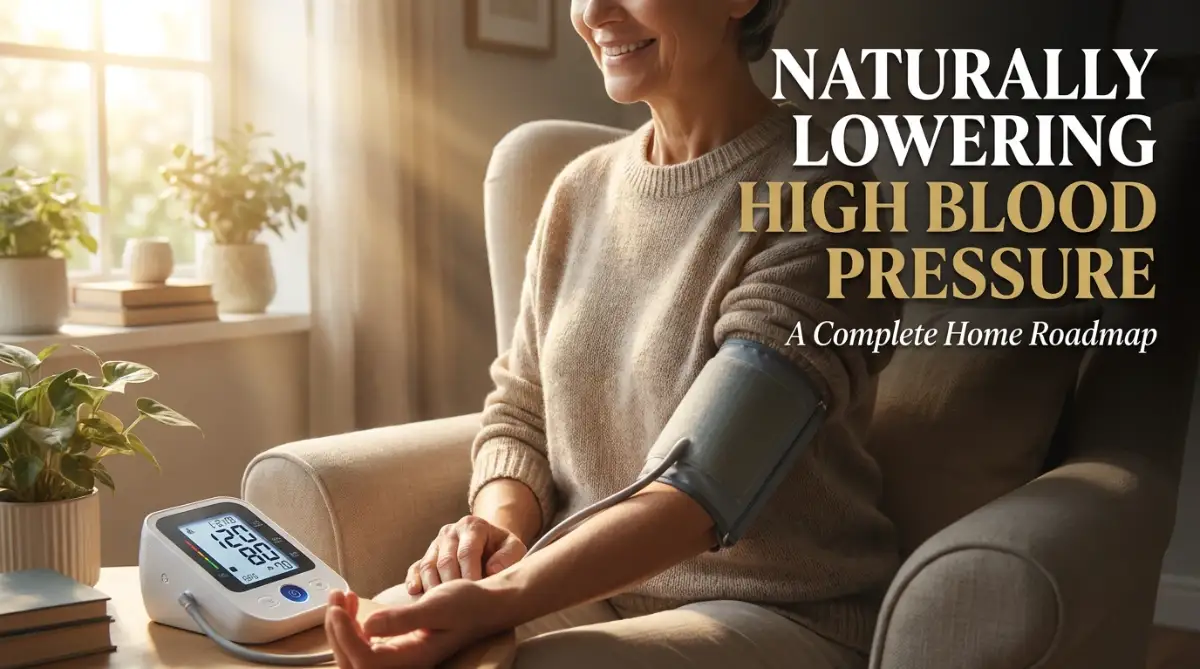
When I finally bought a home monitor and saw the numbers flashing in bright red on the screen, my stomach dropped. My blood pressure was dangerously high, and honestly, I was absolutely terrified.
I kept wondering how this happened to me, and the fear of a sudden stroke or heart attack started keeping me awake at night. I felt like a ticking time bomb was resting inside my chest.
If you are reading this right now, I know exactly what you are going through. You are probably tired of waking up with that strange morning headache and feeling dizzy when you stand up too fast.
You might be silently worrying about your future, wondering if you will be healthy enough to play with your grandchildren or enjoy your retirement. It is incredibly frustrating to feel like your own body is turning against you.
The constant anxiety of checking your numbers, holding your breath, and hoping they drop even just a few points is a heavy mental burden to carry every single day. This silent condition slowly steals your peace of mind, making everyday tasks feel like a heavy chore. But please know that you are not alone, and more importantly, you have the power to take control back.
Rethinking Your Daily Habits: The Path to Normal Numbers
When I first started looking for solutions, the amount of medical jargon on the internet made my head spin. I realized that taking control of my heart health did not require a medical degree.
It simply required making small, smart choices every single day. Let us walk through some incredibly effective, science-backed changes you can start applying right now in your own home.
The Hidden Salt Trap Hiding in Your Kitchen
We all know that eating too much salt is bad for our hearts. But the biggest problem is not the salt shaker sitting on your dining table.
The real danger comes from the hidden sodium packed inside foods that do not even taste salty. Bread, canned soups, bottled sauces, and processed deli meats are completely loaded with hidden sodium.
When you consume too much sodium, your body holds onto extra water to wash the salt out of your system. This extra water increases the total volume of your blood.
Think of it like turning on a garden hose to full blast while squeezing the nozzle. The pressure inside the hose shoots up, and that is exactly what happens inside your blood vessels.
To fight this, you need to become a smart label reader at the grocery store. Always check the back of the package and look for the "Sodium" line.
I remember thinking I was eating healthy by making stir-fry at home, but my sodium intake was through the roof because of the store-bought sauces. I simply swapped normal soy sauce for fresh ginger, garlic, and a splash of lemon, and my morning readings improved noticeably within a few weeks.
Movement That Doesn't Feel Like Torture
Whenever someone mentions exercise, most people imagine sweating heavily in a crowded gym while lifting heavy iron weights. If you hate the gym, I have great news for you.
You do not need to become a bodybuilder to protect your heart. Your blood vessels just need regular, gentle movement to stay flexible and healthy.
When you engage in moderate physical activity, your heart becomes stronger and can pump blood with much less effort. This directly reduces the force on your arteries.
Simple activities like brisk walking in the park, gardening, dancing in your living room, or even taking the stairs instead of the elevator can work wonders. The goal is just to get your heart rate up slightly for about thirty minutes a day.
If the idea of a harsh gym workout makes you want to hide, watch this incredible beginner-friendly routine that gets your heart pumping safely.
Eating for Your Arteries: The Power of Potassium
While everyone talks about cutting sodium, very few people talk about the magic of potassium. Potassium is essentially the ultimate natural enemy of sodium.
When you eat foods rich in potassium, it helps your kidneys flush out the extra, unwanted sodium through your urine. It also helps relax the walls of your blood vessels.
You can think of potassium as a natural muscle relaxer for your arteries. Bananas are famous for this, but they are definitely not the only option available to you.
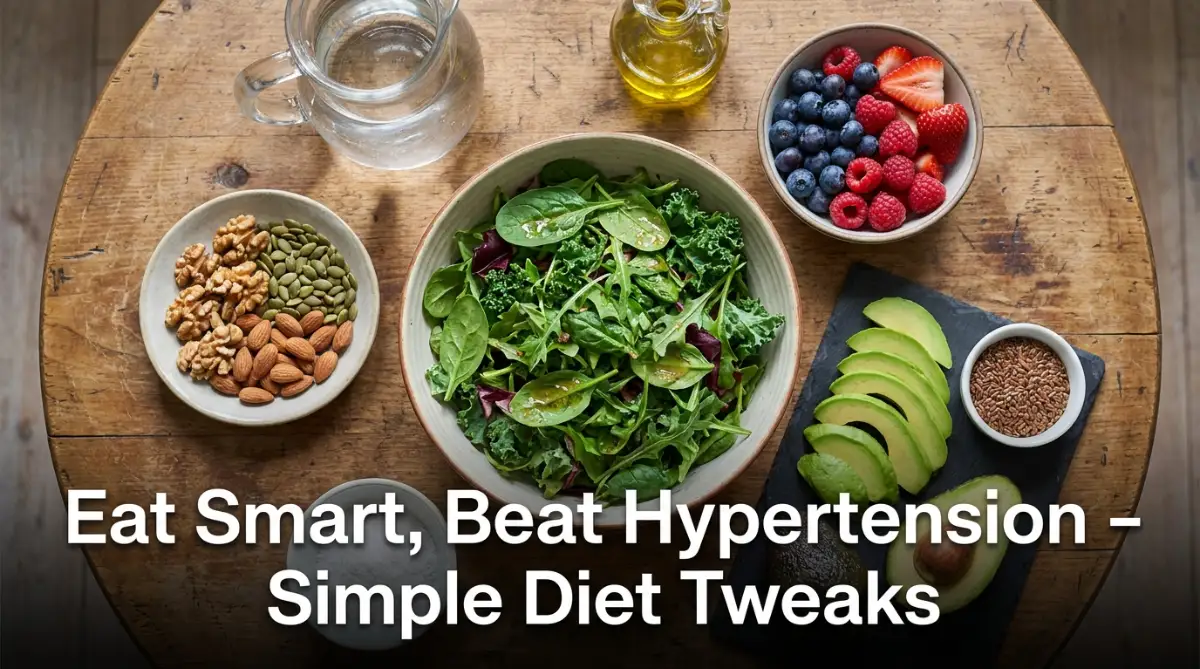
Sweet potatoes, spinach, avocados, and white beans are absolute powerhouses when it comes to potassium. Adding just one or two of these items to your daily meals can make a massive difference.
The Sleep-Blood Pressure Connection You Are Ignoring
We often treat a full night of sleep like a rare weekend luxury, staying up late to scroll through our phones or watch just one more show. But for your heart, resting is an absolute biological necessity. Think of your cardiovascular system like a car engine that has been running on the highway all day long.
When you finally fall asleep, your body enters a deep repair mode, and your blood pressure naturally drops by about ten to twenty percent. This quiet, restorative time gives your hardworking heart a much-needed break to cool down and recover. If you are constantly surviving on just four or five hours of rest, your heart never gets that essential downtime.
Chronic sleep deprivation tricks your brain into thinking you are in danger, keeping your nervous system on high alert. This triggers a flood of stress hormones that aggressively tighten your blood vessels and drive your morning numbers straight up. You are basically forcing your heart to work overtime without giving it a chance to breathe.
To fix this, you need to intentionally create a calming bedtime routine. I found that keeping my bedroom cool and making it completely dark makes a massive difference in how deeply I rest. Turn off your glowing phone screens at least an hour before bed, and try reading a physical paper book to gently signal to your racing mind that it is finally time to shut down.
Taming the Overthinking Mind
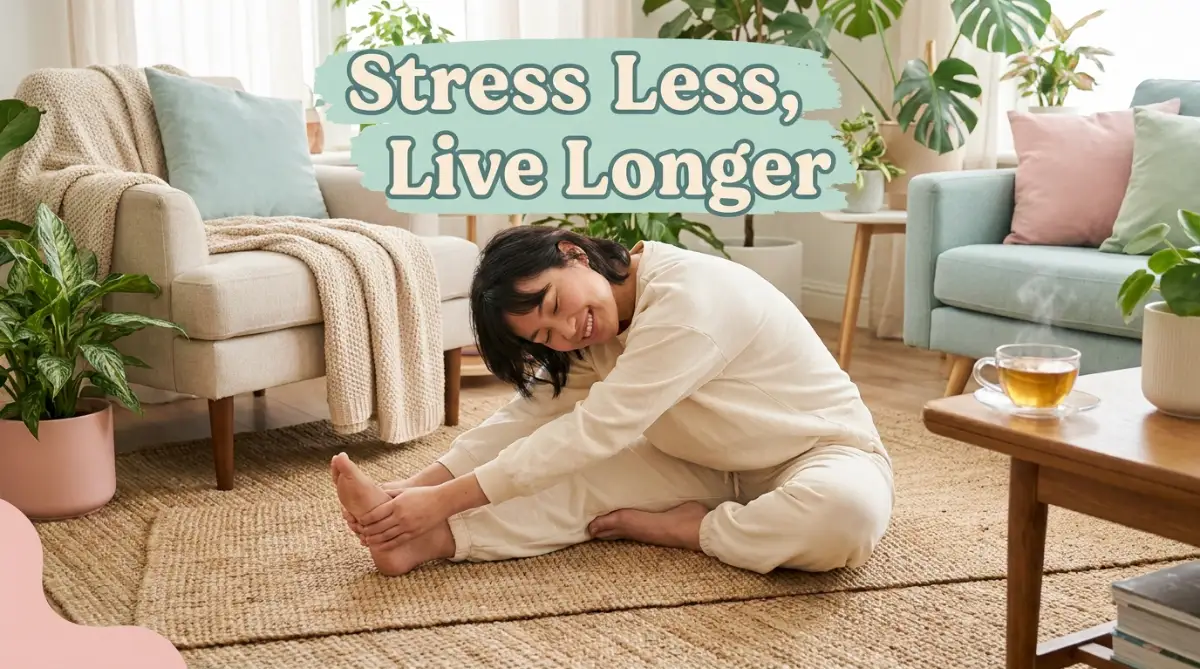
Stress is not just a feeling in your head; it is a physical reaction in your body. When you are worried about paying bills or dealing with family drama, your body goes into "fight or flight" mode.
Your brain releases a massive flood of adrenaline and cortisol. These hormones make your heart beat much faster and squeeze your blood vessels tightly.
If you are constantly stressed, your pressure never gets a chance to return to a normal, healthy baseline. You cannot eliminate all the stressful events in your life, but you can change how your body reacts to them.
Deep breathing is one of the fastest ways to tell your nervous system to calm down. Try inhaling deeply through your nose for four seconds, holding it for seven seconds, and exhaling slowly through your mouth for eight seconds.
Hydration Beyond Just Drinking Plain Water
Dehydration is a sneaky culprit behind a lot of mysterious health issues, including high numbers on your monitor. When your body does not have enough water, your blood actually becomes thicker.
Thicker blood is much harder for your heart to pump through your narrow veins. Furthermore, dehydration forces your body to release chemicals that constrict your blood vessels to conserve water.
Drinking plain water all day can get boring, so try infusing it. Drop some cucumber slices, fresh mint leaves, or a few crushed berries into your water pitcher.
This simple trick makes drinking water highly enjoyable and keeps your blood flowing smoothly. Aim for at least eight big glasses a day, adjusting for how hot it is outside or how much you sweat.
How to Check Your Numbers Correctly at Home
One of the biggest mistakes people make is checking their pressure incorrectly. If you do it wrong, you will get a falsely high reading, which will just cause you more panic.
First, never measure your pressure right after drinking coffee, smoking, or exercising. You need to sit completely still in a comfortable chair with your back supported for at least five minutes before pressing the start button.
Make sure the cuff is placed directly on your bare skin, not over your clothes. Finally, rest your arm on a table so the cuff is perfectly level with your heart.
Myth vs. Reality in Hypertension Care
There are so many dangerous rumors floating around about heart health. Let us clear up some of the most common misunderstandings right now.
Myth: High pressure only affects older adults and seniors.
Reality: Today, young adults in their twenties and thirties are developing this condition due to poor diets and chronic desk jobs.
Myth: I will definitely feel dizzy or get a headache if my numbers are too high.
Reality: This is called the "silent killer" for a very specific reason. Millions of people walk around with dangerous numbers and feel absolutely fine until a medical emergency strikes.
Myth: Since my doctor prescribed medication, I can eat whatever I want.
Reality: Medication is a helpful tool, but it is not a magic shield. You still need to manage your diet and lifestyle to truly heal your body from the inside out.
Building a Heart-Healthy Morning Routine
How you start your morning sets the tone for your entire day, including your cardiovascular system. Waking up to a blaring, aggressive alarm clock immediately jolts your nervous system and spikes your stress hormones.
Instead, try using a gentle alarm sound, like soft chimes or birdsong, to wake up peacefully. Before you even get out of bed, take three long, deep breaths to center your mind.
Instead of reaching directly for a strong cup of caffeinated coffee, start with a warm glass of lemon water. This gently wakes up your digestive system and provides immediate hydration after a long night of sleep.
Once you are out of bed, spend just five minutes doing some light stretching. Reaching for the ceiling and touching your toes gets the blood flowing gently to your extremities without shocking your heart.
Smart Grocery Shopping Habits
You cannot eat healthy if your kitchen is completely filled with junk food. The journey to a healthy heart always begins in the aisles of your local grocery store.
A great rule to remember is to shop the perimeter of the store first. This is usually where you will find the fresh produce, lean meats, and dairy sections.
The middle aisles are typically packed with highly processed, boxed foods loaded with sodium and artificial preservatives. If you must buy canned goods, like beans or tomatoes, always look for the "No Salt Added" labels.
Even if you buy regular canned beans, simply rinsing them under cold water in a strainer can wash away up to forty percent of the excess sodium. These tiny shopping habits compound over time, leading to massive improvements in your daily health.
Next-Level Strategies for a Calmer Cardiovascular System
Once you master the basic habits of drinking enough water and watching your sodium, you might want to take things a step further. I learned that our bodies respond incredibly well to specific, targeted changes that most doctors rarely have the time to explain during a quick fifteen-minute visit.
These are not overnight magic tricks, but rather powerful biological adjustments. Let us look at some highly effective, advanced methods to help your heart find its natural rhythm again.
The Magic of Nitric Oxide in Your Daily Diet
You might not hear much about nitric oxide, but it is an absolute superstar for your cardiovascular health. This is a special gas naturally produced by your body that tells your blood vessels to expand and relax.
Think of it like a traffic cop opening up all the lanes on a crowded highway so the cars can flow smoothly. When your blood vessels open up, the pressure inside them immediately drops.
You can naturally boost your body's production of this helpful gas by eating specific vegetables. Beets, spinach, arugula, and celery are incredibly rich in dietary nitrates, which your body quickly converts into nitric oxide.
Drinking a small glass of raw beet juice in the morning is a fantastic, natural way to support this process. You can easily learn more about how nitric oxide relaxes blood vessels through trusted medical resources like the Cleveland Clinic.
The Hidden Power of Magnesium
Most people obsess over sodium and potassium, completely forgetting about magnesium. Magnesium acts as a natural gatekeeper for calcium in your muscle cells, including the muscles lining your blood vessels.
If you do not have enough magnesium, calcium rushes into these cells and causes your blood vessels to squeeze together tightly. This unwanted tension makes your heart work much harder to push blood through your body.
Many of us are deeply deficient in magnesium due to modern farming practices that strip minerals from the soil. Adding dark chocolate, almonds, pumpkin seeds, and black beans to your meals can quickly replenish your stores.
If you want to understand the deep scientific connection between magnesium and vascular health, the National Institutes of Health provides excellent data on how this mineral prevents unnecessary arterial tension.
Mastering the Morning Cortisol Surge
Did you know that blood pressure naturally spikes in the early hours of the morning? Your body releases a flood of a stress hormone called cortisol to help wake you up and get you out of bed.
For someone with a healthy heart, this is a perfectly normal and safe process. However, if your baseline numbers are already elevated, this sudden morning surge can be quite dangerous.
Jumping out of bed in a panic, rushing to get dressed, and immediately drinking highly caffeinated coffee makes this surge much worse. You are essentially pouring gasoline on a fire.
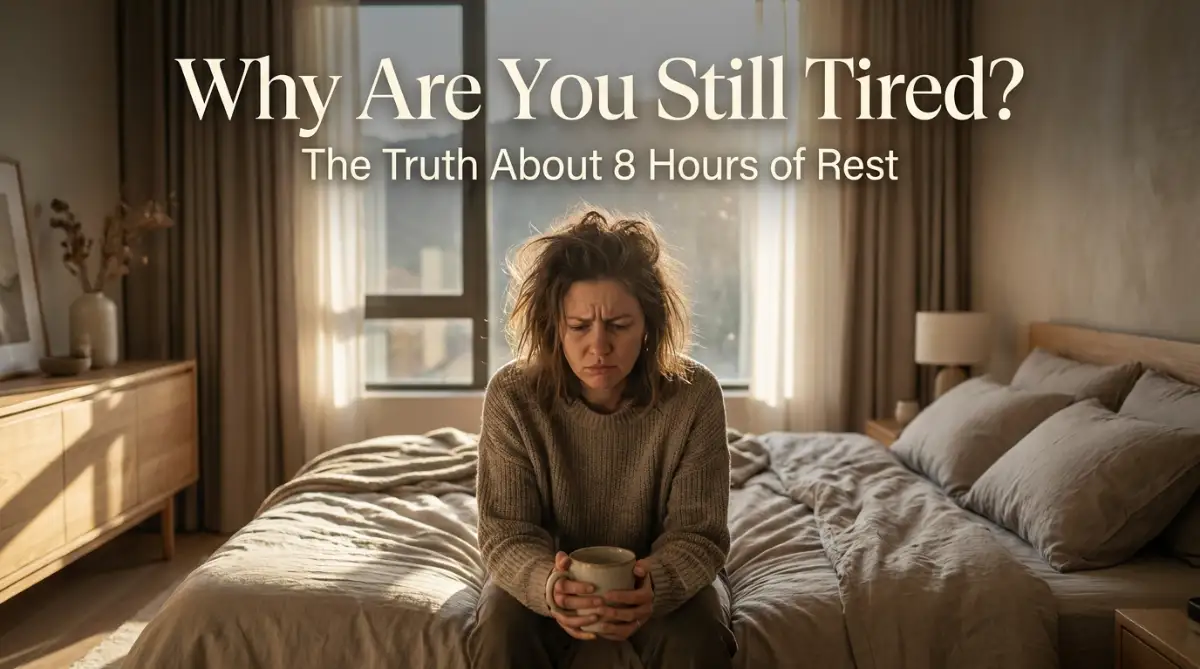
To manage this, wake up gently and spend five minutes lying in bed doing deep breathing exercises. If you struggle with morning fatigue, you need to understand why you still feel exhausted despite spending eight hours in bed. Quality of rest is just as important as the quantity.
Rethinking Your Evening Wind-Down Routine
What you do in the two hours before bed directly affects your heart health the following day. Our nervous systems need a clear signal that the busy workday is over.
Sitting in front of a bright television or scrolling through stressful news on your phone keeps your brain on high alert. The harsh artificial light tricks your brain into thinking it is still daytime.
When you do this, your body refuses to release melatonin, which is necessary for deep, restorative rest. You can easily fix this by learning how glowing screens disrupt your natural sleep cycle and making simple adjustments like reading a paper book instead.
Try drinking a warm cup of chamomile or hibiscus tea about an hour before you sleep. Hibiscus tea, in particular, has been shown to naturally support healthy pressure levels when consumed regularly as part of a calming evening routine.
The Dangerous Traps Sabotaging Your Heart Health
When we are desperate for a solution, it is incredibly easy to fall into hidden traps and make well-intentioned mistakes. I have made several of these errors myself, completely setting back my own progress.
It is incredibly frustrating to feel like you are doing everything right, only to see those red numbers stay stubbornly high. Let us explore the most common pitfalls you need to avoid on this journey.
Trap 1: The "Sugar Replacement" Illusion
Many people aggressively cut salt out of their diet but completely ignore their sugar intake. This is a massive mistake that can ruin your progress.
When you consume too much processed sugar, your body produces large amounts of insulin to manage it. High insulin levels directly trigger your kidneys to hold onto sodium and water, totally defeating your low-sodium efforts.
Excess sugar also causes heavy inflammation inside your arteries, making them stiff and rigid over time. Stiff arteries cannot expand properly, forcing your pressure to stay dangerously high.
If you want to protect your heart, you must read about the hidden dangers of excessive added sugars directly from the American Heart Association. Swapping salty chips for sugary cookies will not solve your problem; it just creates a brand new one.
Trap 2: Relying Blindly on "Natural" Supplements
Walking down the vitamin aisle of a health store can give you a false sense of security. Just because a supplement is labeled "100% natural" does not mean it is safe for your specific body.
Many popular herbal supplements, like licorice root or ginseng, can actually cause massive spikes in your cardiovascular system. Some natural energy boosters contain hidden stimulants that force your heart to race uncontrollably.
Always talk to a licensed doctor or pharmacist before swallowing a new capsule, even if it looks harmless. They need to check if the new herb will negatively interact with any prescription medications you are currently taking.
Trap 3: The Danger of Common Cold Medicines
This is a trap that catches millions of innocent people every single winter season. When you get a stuffed-up nose, you naturally reach for an over-the-counter decongestant.
Decongestants work by forcefully narrowing the blood vessels in your nose to reduce swelling and clear your airways. The problem is that the medicine does not just stay in your nose; it travels throughout your entire body.
This means it violently narrows the blood vessels everywhere, causing a dangerous, rapid spike in your numbers. Trusted medical institutions like the Mayo Clinic constantly warn that certain cold medications can cause dangerous spikes for people already struggling with hypertension. Always look for cold medicines specifically branded as safe for high blood pressure.
Trap 4: Ignoring the Physical Strain of Your Job
We often separate our physical health from our daily professional work, but they are deeply connected. If you sit at a desk for nine hours a day, your body is under immense physical stress.
Poor posture places a heavy burden on your muscles, which then sends constant stress signals to your brain. This hidden physical tension from poor sitting habits keeps your heart rate slightly elevated all day long.
Furthermore, ignoring mental stress at work creates a toxic environment for your cardiovascular system. Try taking structured short breaks every hour just to stand up, roll your shoulders, and take three deep breaths to reset your system.
Trap 5: The "Weekend Warrior" Workout Routine
Exercise is wonderful, but trying to squeeze a whole week of workouts into a single Saturday afternoon is a terrible idea. This is known as the weekend warrior syndrome.
Subjecting an untrained heart to sudden, intense physical stress is like revving a cold car engine to its maximum limit. It is a recipe for extreme fatigue, muscle injury, and sudden cardiovascular events.
Your blood vessels need gentle, consistent conditioning to remain elastic. A daily twenty-minute gentle walk is far better for your heart than a grueling two-hour bootcamp class once a week.
Consistency will always beat intensity when you are trying to heal naturally. Treat your heart with kindness, and slowly build up your endurance over several months.
Your Personal Action Plan for a Healthier Tomorrow
Managing this condition is not about completely restricting your life or living in constant fear of a medical emergency. It is simply about making better, more informed choices when you wake up each morning.
You do not need to overhaul your entire life in a single weekend. Real, lasting change happens when you implement tiny adjustments that eventually become effortless daily habits.
Start by keeping a simple food journal for just three days to find out where the hidden sodium is coming from. Commit to drinking one extra glass of water today, and try replacing just one salty snack with a handful of unsalted almonds.
If you want more resources on building sustainable daily routines, you can always explore our comprehensive lifestyle guides designed to help you thrive. Small victories add up quickly, and your body is incredibly resilient when you give it the right tools.
I know how scary it feels to stare at high numbers on a monitor, but my journey taught me that your body desperately wants to heal. If you start making these small, gentle changes today, you will be amazed at how quickly you can take your life back. I believe in you, and your heart will thank you for the effort you put in starting right now.
Common Questions About Managing Hypertension
Can drinking lots of water lower my numbers quickly?
Drinking water will not cause an instant, magical drop, but staying properly hydrated is incredibly important. When you are dehydrated, your blood becomes thicker and your body releases hormones that tighten your blood vessels. Drinking enough water ensures your blood flows easily, which prevents unnecessary spikes throughout the day.
Are bananas really the best food for my heart?
Bananas are famous because they are an easy, tasty way to get potassium, but they are not your only option. Vegetables like sweet potatoes, spinach, and avocados actually contain even more potassium than a standard banana. The goal is to eat a colorful variety of whole foods so your body gets all the minerals it needs to flush out extra sodium.
How fast can I see results by changing my diet?
Every person is different, but many people notice small improvements within just a few short weeks of cutting processed foods. Consistency is the secret ingredient here. Your blood vessels need a little time to heal and regain their natural flexibility after years of being under pressure.
Does anxiety cause a permanent increase in my readings?
Anxiety causes temporary, but sometimes severe, spikes in your numbers because your body releases stress hormones like adrenaline. If you are constantly anxious every single day, those temporary spikes can start to feel permanent. Managing your daily stress through deep breathing and relaxing hobbies is just as important as watching your salt intake.
Is it safe to stop taking my pills if my readings become normal?
You should never abruptly stop taking your prescribed medication just because you see normal numbers on your home monitor. Often, those numbers are normal exactly because the medication is doing its job. Always talk directly with your doctor, who can safely and slowly reduce your dosage as your healthy lifestyle changes begin to work.
Disclaimer: The information provided in this blog post is for educational and informational purposes only and is not intended as medical advice. Always consult with a qualified healthcare professional or your primary care physician before making any changes to your diet, exercise routine, or medication schedule. Do not ignore professional medical advice or delay seeking it because of something you have read here.