
The Frustrating Game of Booking Cheap Flights
I remember sitting in front of my laptop at 2 AM, eyes burning from staring at the screen. I was trying to book a simple round-trip ticket to visit my family, but the price seemed to have a mind of its own. Just ten minutes earlier, the flight was well within my budget. But when I refreshed the page to finally pay, the cost had suddenly jumped by fifty dollars.
Panic immediately set in. I remembered a trick a friend had told me, so I quickly closed the window, cleared my browser history, and opened a brand new private tab. My heart was pounding, hoping the price would magically drop back down. I searched for the exact same route, held my breath, and hit enter.
To my absolute shock, the price did not go down. In fact, it stayed exactly at the new, higher rate. I felt totally defeated, confused, and cheated by the airline's website. I genuinely believed the airline was secretly tracking my every move and punishing me for checking the route twice.
Have you ever experienced this exact same nightmare? This stressful guessing game ruins the excitement of planning a trip. Ordinary people spend hours playing hide-and-seek with airline websites, constantly refreshing pages in a state of high anxiety.
It feels like an unfair battle against a giant corporate machine. You work incredibly hard for your money, and saving a little extra on a flight means you can spend more on food, experiences, or gifts for your loved ones. But instead of enjoying the booking process, we end up feeling manipulated and frustrated.
We waste valuable hours constantly checking prices on multiple devices. Some people even ask their friends to check the same flight on their phones, hoping a different network will show a cheaper fare. This constant fear of missing out on a good deal destroys our mental peace and turns vacation planning into a heavy burden.
What Actually Happens Behind the Scenes of Travel Booking
If opening a hidden browser tab does not work, why do flight prices change so rapidly? The truth is much more logical than a secret spy system watching your screen. Airlines do not care about your personal search history.
Instead, they use highly advanced mathematical formulas to make the maximum amount of money on every single flight. This concept is called revenue management. Let's break down exactly how this massive system operates so you can finally stop stressing.
Airlines treat seats on a plane just like fresh food at a grocery store. Once the airplane takes off, an empty seat loses all of its value instantly. Therefore, their main goal is to fill the plane while charging the highest amount people are willing to pay at any given moment.
To do this, they divide the seats on a single plane into different invisible categories called "fare buckets". Most travelers assume everyone in the economy cabin paid roughly the same price. That is completely false.
There could be twenty different price tags for the exact same row of economy seats. The airline might release five seats at an extreme discount, ten seats at a standard price, and save the rest for last-minute business travelers who will pay top dollar.
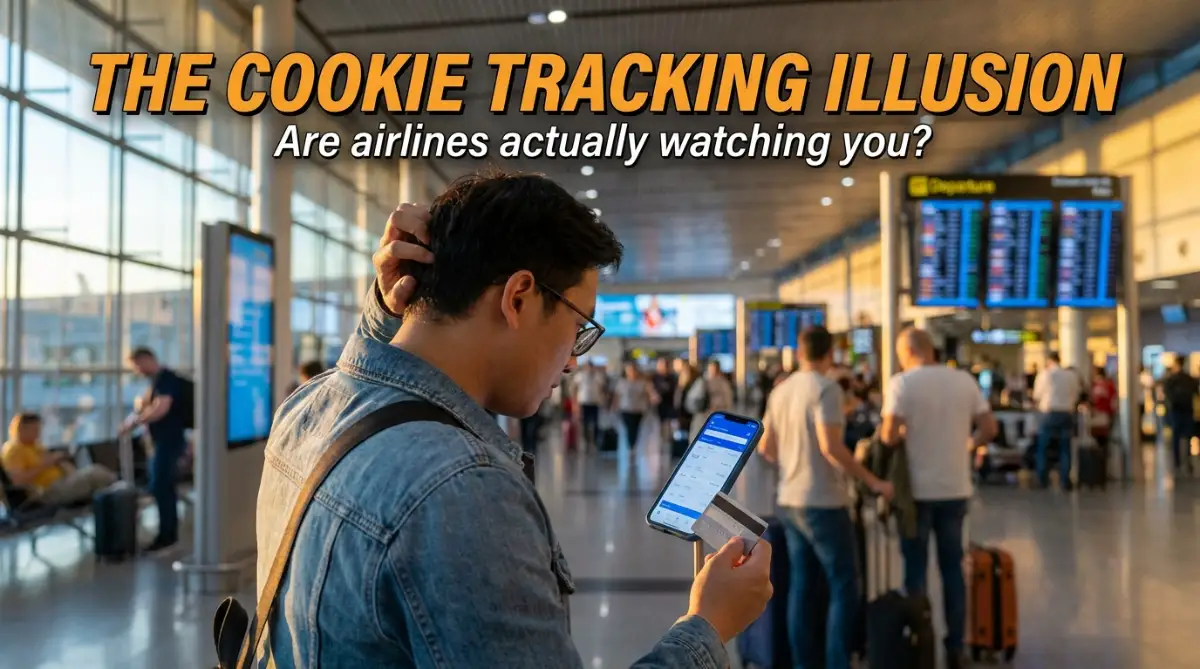
The Myth of Browser Cookies Tracking Your Every Move
For years, travel bloggers and influencers have repeated the same rumor. They claim airline websites drop tracking cookies into your browser. They say that when the website notices you checking the same flight multiple times, it artificially raises the price to panic you into buying.
This is perhaps the biggest myth in the entire travel industry. Airlines have legally stated over and over again that they do not use cookies to increase prices based on individual searches.
Why? Because if an airline artificially inflated a price just for you, you would simply go to a competitor's website and buy a cheaper ticket. It would be a terrible business strategy. They want you to buy from them, not run away to another airline.
So, what exactly happens when you refresh the page and the price jumps? It simply means someone else on the other side of the world just bought the last cheap ticket in that specific fare bucket. Or, the airline's automated system decided it was time to close the cheapest bucket because the departure date is getting closer.
When you see a price jump, your first reaction is to panic. You blame the browser cookies. But in reality, you just witnessed real-time inventory management in action.
Understanding Real-Time Inventory and Caching Issues
Sometimes, the price difference has nothing to do with ticket sales at all. It actually comes down to how data travels across the internet.
When you search for a flight on a comparison website, you are not seeing live data directly from the airline's main computer. You are often seeing saved, or "cached", data. Aggregator websites save previous search results to make their platforms load faster.
When you finally click through to the actual checkout page, the website must talk to the airline's live server. If those seats were sold an hour ago, the cached price is suddenly updated to the real, current price. This gives the illusion that the airline just raised the price on you.
The Pro Tip: My biggest mistake used to be relying solely on large third-party aggregator websites to check out. Now, whenever I find a good deal on a comparison site, I always go directly to the official airline website to verify the real-time price before I get my hopes up. This simple habit saves me from massive disappointment at the payment screen.
How Airlines Predict Your Travel Patterns
Airlines use historical data to predict exactly how many people will want to fly on a specific day. They look at holidays, massive sporting events, and even school schedules. If they know a major tech conference is happening in a certain city, they will increase the base prices for that week months in advance.
This is all handled by sophisticated artificial intelligence and historical algorithms. It has absolutely nothing to do with your personal private browsing window.
They also price flights based on the day of the week. Business travelers usually fly out on Mondays and return on Thursdays or Fridays. Because companies pay for these tickets, business travelers do not care about the cost. Airlines know this, so they price these days much higher.
Leisure travelers, on the other hand, want cheap weekend getaways. By balancing the needs of business and leisure passengers, airlines can maximize their profits without needing to track your personal internet habits.
Stop wasting time trying to outsmart an imaginary tracking system.
Instead of playing with browser settings, you need to understand the rhythm of airline sales. By learning how these massive systems operate, you take back control of your travel planning.
How to Beat the Algorithm Once and For All
(Watch this incredibly helpful breakdown before reading the next steps!)
The Reality of Global Distribution Systems (GDS)
To truly understand flight prices, you must know about the hidden network connecting the travel world. It is called a Global Distribution System, or GDS. Examples include Amadeus, Sabre, and Travelport.
These massive computer networks are the middlemen between airlines and travel agents. When you search for a ticket, your request travels through this system. The GDS checks the exact number of seats available in every single fare bucket.
Because millions of travel agents, websites, and apps are querying this system every second, seat availability changes at lightning speed. If a corporate travel agent suddenly books twenty seats for a company retreat, the cheap fare bucket empties instantly.
When you hit refresh on your laptop, the GDS shows you the next available bucket. The price jumps. The private browsing window will not magically put those twenty seats back on the market. Once the cheap bucket is gone, it is gone for good.
Stop Blaming Yourself for Unlucky Timing
Many people blame themselves when a flight gets expensive. They think, "If only I had booked yesterday." But the reality is that flight pricing is heavily tied to the overall booking curve.
Airlines typically publish their schedules about eleven months in advance. At that time, prices are usually somewhat high. They do this to catch early planners who are willing to pay a premium for peace of mind.
As the departure date gets closer, the airline monitors the sales pace. If the plane is not filling up fast enough, the algorithm will automatically open up cheaper fare buckets to stimulate demand. This usually happens around two to three months before a domestic flight.
However, once the flight gets within three weeks of departure, the logic flips completely. The airline assumes anyone booking this late is a desperate business traveler or someone dealing with an emergency. They will skyrocket the prices because they know you have no choice but to pay.
The Simple Shift in Perspective
You must treat buying a flight like buying stocks in the financial market. Prices go up and down based on market demand, overall supply, and automated rules. You would never assume the stock market goes up just because you looked at a company's profile.
The exact same logic applies to airline tickets. Your individual search means absolutely nothing to a multi-billion dollar global algorithm.
This realization should actually bring you immense relief. You no longer have to clear your cookies, change devices, or hide your IP address. You can browse freely, compare prices openly, and take your time planning your dream vacation.
The secret to cheap flights is not technical trickery. It is flexibility, understanding inventory, and knowing exactly when airlines want to get rid of unsold seats. Let's look at how you can use this knowledge to your advantage.
Smarter Tactics to Outsmart Dynamic Flight Pricing
Now that you know private browsing will not magically lower your ticket cost, you can focus on methods that actually deliver results. Airlines follow strict commercial patterns, and understanding these patterns puts the power firmly back into your hands.
Instead of clearing your search history twenty times an hour, you should focus on the booking window. This is the specific timeframe before departure when carriers adjust their prices to balance seat supply with real traveler demand.
Academic studies documented by the International Air Transport Association show that commercial carriers constantly adjust seat allocations based on capacity load factors and route competition. They do not watch individual screens; they look at plane-wide inventory.
For domestic trips, the sweet spot for ticket reservations usually opens between one and three months before departure. If you book six months out, you often pay higher baseline rates set by default schedules.
If you wait until two weeks before takeoff, you get caught in the business-traveler pricing surge. Understanding this standard timeline prevents you from making rushed, emotional buying decisions.
Master the Twenty-Four-Hour Grace Period
One of the most powerful consumer protections available comes from official aviation regulations. The US Department of Transportation consumer rules require airlines to hold a reservation at the quoted fare for twenty-four hours without payment, or allow cancellation without penalty for twenty-four hours after booking [1].
This legal protection applies as long as you complete the booking at least seven days before your planned flight. It gives you a risk-free window to lock in an attractive fare the moment you see it on your screen.
If the price drops the next morning, you can simply cancel your initial ticket and rebook at the lower rate. My family and I use this safety net constantly whenever we spot an unexpected flash sale during our trip planning.
It completely removes the buyer remorse that so many travelers feel after making a purchase. You lock in the deal first, and then take a full day to review your schedule with zero financial risk.
Track Price History Instead of Guessing
Airlines do not change fares on a random whim; they react to passenger loads and seasonal demand. Historical airfare records published by the Bureau of Transportation Statistics prove that average passenger costs rise during peak holiday travel periods regardless of personal web searches.
Modern fare tracking tools gather these historical pricing records to predict whether a route is likely to get cheaper or more expensive. They examine millions of historical fare adjustments across global routes to spot recurring discounts.
Instead of manually checking a route every evening, set up automated email notifications on reliable tracking platforms. These tools run continuous background checks on airline inventory databases without you lifting a finger.
When a carrier opens a lower fare bucket to stimulate slow bookings, you get an immediate alert on your smartphone. This allows you to claim the discount before other travelers scoop up those limited promotional seats.
Look at Nearby Secondary Airports
Major international hubs carry massive landing fees and high passenger facility charges. Budget carriers often choose smaller, secondary airports located just outside large metropolitan areas to keep operational overhead low.
For example, flying into London Gatwick or London Stansted is often noticeably cheaper than landing at London Heathrow. In the United States, checking flights to Fort Lauderdale instead of Miami can save a traveling family hundreds of dollars.
Before you finalize your ticket, expand your search radius by fifty to one hundred miles around your destination. A quick train ride or regional bus trip from a smaller airport can easily offset the minor inconvenience.
You can also read our comprehensive lifestyle guides to find practical travel resources that make planning multi-city adventures simple.
Taking a slightly different route often turns an unaffordable journey into a manageable family vacation. The extra travel time on the ground is frequently rewarded with substantial cash savings.
Leverage Reverse Route Searches
A smart tactic used by experienced budget travelers involves checking reverse itineraries. Airline dynamic pricing models sometimes price one-way flights differently based on the country where the journey begins.
If you are planning an extended multi-destination journey, comparing two separate one-way tickets can sometimes beat a standard round-trip package. This happens because local demand on the return leg might be significantly softer than the outbound leg.
Always calculate the total cost in the local currency of the departing city. In some cases, purchasing a ticket priced in an overseas currency on an international portal saves money on base fees.
Global airline standards developed by the International Air Transport Association govern how ticket tariffs and currency conversions are handled across international networks. Familiarity with these industry rules helps you recognize genuine foreign exchange savings.
Just ensure your credit card does not charge foreign transaction fees before completing the purchase. Otherwise, unexpected currency conversion charges will wipe out your hard-won savings.
The Power of Midweek Departures
While booking on a Tuesday is an outdated myth, flying on a Tuesday or Wednesday remains a reliable money-saver. Leisure travelers almost always prefer flying out on Thursday evening or Friday after work to maximize their vacation time.
Because demand drops significantly in the middle of the working week, revenue management software automatically lowers fare categories to attract passengers. Shifting your departure date by just twenty-four hours can dramatically slash your overall bill.
Try using flexible-date calendar grids on reputable booking platforms to view entire months at a glance. You will quickly notice how ticket prices spike on weekends and plunge on off-peak weekdays.
If your work schedule allows for flexibility, taking a Wednesday morning departure could save you enough money to upgrade your hotel room. It is one of the simplest adjustments you can make to your itinerary.
Traps That Actually Drain Your Travel Budget
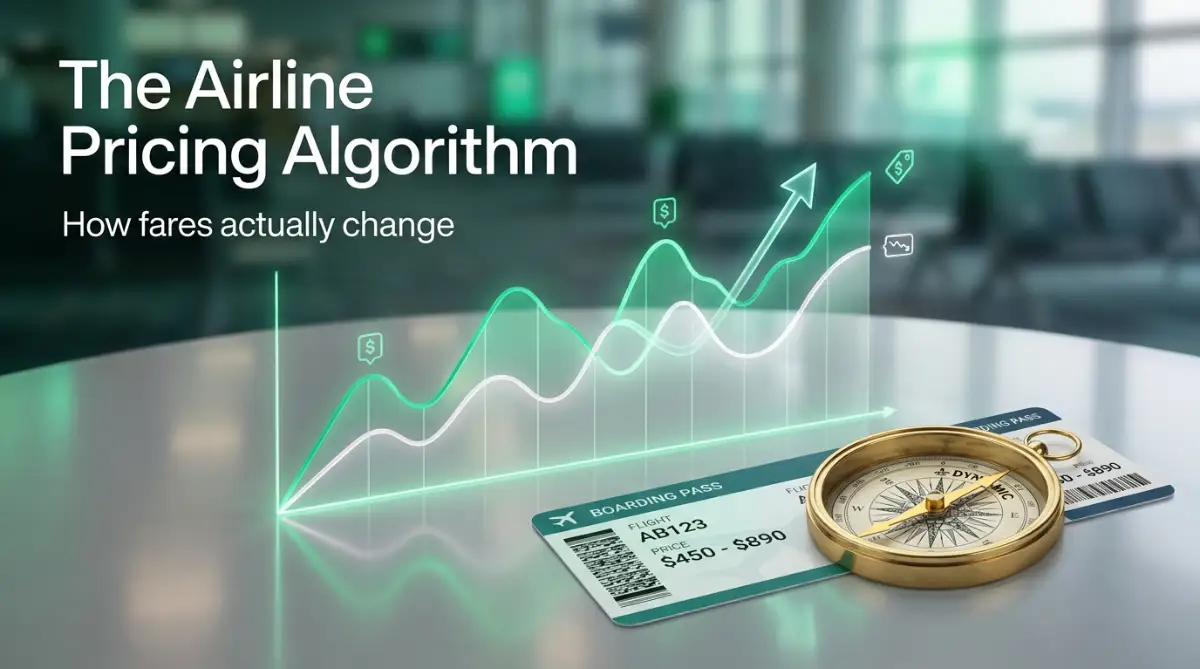
When travelers believe that private tabs control ticket pricing, they lose sight of the real mistakes that cost them hundreds of dollars. Focusing on browser settings leads to bad booking decisions and unnecessary financial strain.
Let's look at the genuine pitfalls that trap unsuspecting travelers every single day. Avoiding these common blunders will save you far more cash than clearing your cache ever could.
Waiting for the Mythical Last-Minute Fire Sale
Decades ago, airlines would slash prices at the airport ticket desk to fill every last seat before departure. Today, advanced predictive algorithms have completely eliminated this practice across the aviation industry.
Modern carriers know that anyone booking forty-eight hours before takeoff is usually in a time-sensitive situation. Whether it is an unexpected corporate emergency or a family event, last-minute fliers will pay whatever the airline demands.
If you hold off on buying your ticket hoping for an eleventh-hour bargain, you will almost certainly face steep price hikes. Secure your seat well before the three-week cutoff to avoid these aggressive last-minute fare increases.
Planes frequently fly with empty seats rather than selling them at a heavy discount at the final hour. Airlines do this intentionally to preserve their long-term pricing power and prevent fliers from holding out.
Falling for Deceptive Base Fares
Budget airlines excel at advertising jaw-dropping twenty-dollar base fares across social media. However, these bare-bones tickets rarely represent what you will actually end up paying by the time you reach the boarding gate.
Once you add carry-on bags, checked luggage, and mandatory seat selection, that cheap flight suddenly costs more than a full-service carrier. Always calculate the total walk-away cost before deciding which airline offers the better value.
If you plan to pack heavy, review the latest carry-on liquid restrictions so you do not get hit with surprise fees at the security checkpoint or baggage desk.
Many travelers learn this lesson the hard way when forced to pay gate-check fees that exceed the original ticket price. Always factor in every mandatory extra charge before you reach for your wallet.
Booking Through Shady Third-Party Portals
Online fare aggregators are great for research, but buying through obscure, ultra-cheap booking sites can turn into an expensive nightmare. These third-party brokers often charge exorbitant change fees and provide non-existent customer support during emergencies.
If a flight gets delayed, canceled, or rescheduled, the airline will frequently tell you to contact the online agency that issued the ticket. You then find yourself stranded on hold with an automated phone tree while your plane takes off without you.
Booking directly with the carrier gives you immediate access to their rebooking systems during irregular operations. The few dollars you might save through an unverified broker simply does not justify the massive risk of being stranded.
It also pays to know your basic consumer protections before you head out on your trip. Reviewing airline overbooking passenger rights ensures you know how to claim legal compensation if an airline bumps you from an oversold flight.
Carriers are legally obligated to assist passengers under specific regulations, but dealing with an unresponsive middleman makes exercising those rights far more difficult. Protect yourself by keeping the booking relationship direct.
Splitting Tickets on Separate Itineraries Without Protection
Self-transfer journeys can look tempting when you want to connect two budget flights on different carriers. This process involves buying one ticket on Airline A and a connecting ticket on Airline B under separate booking codes.
However, if your first flight arrives thirty minutes late, Airline B has no legal obligation to protect your onward journey. They will mark you as a no-show and cancel your remaining itinerary without offering a refund.
Unless you have built in a lengthy layover of four to five hours, avoid booking disconnected tickets on independent carriers. The unexpected cost of buying a brand-new, walk-up ticket will instantly destroy your trip budget.
Make sure you also follow standard airport arrival timing guidelines so you never miss a connection due to long security queues or terminal transfers.
A missed self-transfer connection can quickly wipe out months of vacation savings. When possible, book through-tickets that guarantee luggage transfers and rebooking assistance if delays occur.
Neglecting Travel Document Deadlines
Nothing destroys a flight booking faster than arriving at the airport with an invalid passport. Many international destinations will not permit entry if your travel document expires within six months of your planned return date.
Airlines verify these documents at the check-in desk and will flatly deny boarding to protect themselves from heavy immigration fines. The airline is under no obligation to refund your ticket if your paperwork is out of order.
Be sure to review the six-month passport validity rules well before booking non-refundable international airfare.
Replacing an expired document at the last minute involves rush courier fees and immense emotional anxiety. Make passport verification the very first step in your international trip planning process.
Your Blueprint for Stress-Free Travel Planning
Booking flights does not have to feel like a stressful psychological game against invisible algorithms. When you step away from browser myths, the entire process becomes straightforward and predictable.
Airlines manage their inventory based on seasonal demand, route capacity, and commercial sales targets. They are not monitoring your personal computer or raising rates just to spite your curiosity.
Use price alerts to monitor market trends over time rather than refreshing pages in frustration. Stay flexible with your travel dates, check nearby airports, and always consider the total cost of luggage and seat assignments before entering your credit card details.
When you spot a price that fits comfortably within your personal travel budget, book it with complete confidence. Stop second-guessing your decision and stop obsessing over whether the price might drop by a few dollars tomorrow.
I used to spend countless late nights obsessively switching browsers, and it drained all the excitement out of my journeys. The moment I started tracking genuine fare windows and booking directly with airlines, travel planning became fun again. Trust the facts, use the twenty-four-hour rule to your advantage, and start looking forward to your next adventure today!
Real Questions Travelers Ask About Hidden Ticket Pricing
Does using a VPN help you find cheaper flight tickets?
Using a virtual private network changes your digital location, which can occasionally display local currency differences or regional point-of-sale offers. However, these price gaps are usually minor and frequently offset by foreign currency transaction fees from your bank. For standard domestic flights, a VPN will not unlock hidden discounts.
Why does a flight price jump when I enter my payment details?
This sudden price adjustment happens because another traveler completed checkout for the last seat in that fare bucket right before you did. It also occurs when third-party search engines show cached pricing that suddenly syncs with the carrier's live inventory system at checkout. It is a technical seat-availability update, not targeted price manipulation.
Is there really a single cheapest day of the week to buy tickets?
No, the common belief that Tuesday at midnight yields the cheapest airfare is completely outdated. Flight pricing updates continuously throughout the day based on real-time seat availability and demand algorithms. While flying on off-peak days like Tuesday or Wednesday saves money, the actual day you purchase the ticket has little impact.
What should I do if a flight price increases while I am planning with friends?
If the price jumps while you are organizing travel dates, do not panic and do not immediately buy the more expensive seat. Wait twelve to twenty-four hours to see if unpaid reservations expire and return to the airline's open inventory. You can also explore alternative flight times on the same day or check nearby airports to bypass the sudden price surge.
Content & Policy Disclaimer: This article is intended strictly for informational and educational purposes. Flight pricing models, airline fare policies, and booking algorithms change frequently based on carrier regulations and market conditions. Travel rules, passenger compensation rights, and passport requirements vary by country and airline. Always verify current booking terms, baggage fees, and official travel guidelines directly with your chosen airline or authorized government transportation authority before completing any financial transactions.