
The Frustrating Morning Routine We All Hate
I remember waking up one freezing Tuesday morning to find my bedroom windows completely covered in a thick, dripping layer of sweat. The water was literally pooling on the sill, soaking into the wood and leaving nasty black mold spots in the corners.
I had to grab a heavy towel and wipe down every single glass pane before I even brushed my teeth. I felt incredibly frustrated because I had to do this boring chore every single morning just to protect my home. My room felt damp, cold, and honestly, very uncomfortable to sleep in.
I started worrying about the indoor air quality and how breathing in those mold spores might affect my health. It felt like I was fighting a losing battle against the cold weather outside and the trapped moisture inside.
You try to keep your house warm and cozy, but that same warmth seems to create a massive water problem on your glass. People everywhere struggle with this exact same headache when the temperature drops.
We end up throwing out ruined curtains, spending money on expensive paints to fix peeling walls, and stressing over the continuous damp smell. The constant anxiety of finding new water damage ruins the simple joy of staying warm indoors.
It feels like your own house is crying, and nothing you do seems to stop the endless dripping. But after dealing with this mess for way too long, I finally learned exactly what was causing it and how to stop it for good.
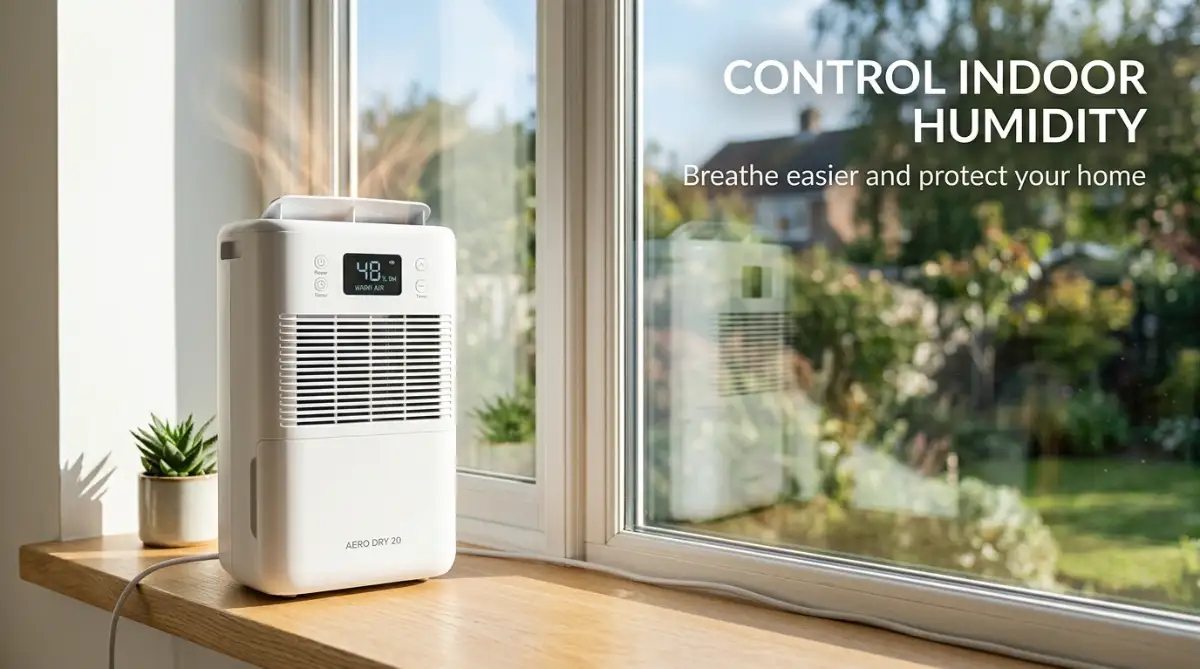
Decoding the Mystery of Sweaty Glass
Before we can stop the water from forming, we really need to understand why it happens in the first place. Think of a cold can of soda on a hot summer day. When you take it out of the fridge, the outside of the can instantly gets wet and starts dripping.
This happens because the warm air holds invisible water vapor, and when that warm air hits a cold surface, it turns back into liquid. The exact same science applies to your home during the cold months. Your heating system keeps the indoor air nice and warm, allowing it to hold a lot of moisture from cooking, breathing, and showering.
When this warm, moist air touches your freezing cold window panes, the air cools down instantly. It drops its invisible water right onto the glass, creating those annoying droplets. The bigger the temperature difference between the inside and the outside, the worse your dripping problem becomes.
The Hidden Moisture Traps Inside Your Home
You might be surprised to learn just how much water we pump into our own indoor air every single day. An average family can easily produce several liters of water vapor without even realizing it. Simple activities like boiling water for pasta, taking a hot shower, or even just breathing add heavy moisture to the room.
If your home is well-sealed to keep the cold out, that moisture has absolutely nowhere to escape. It floats around your rooms until it finds the coldest spot, which is almost always your glass windows. Even drying your laundry on indoor racks can release a massive amount of water into the air.
We often think our homes are perfectly dry just because we cannot see the water floating around. But your windows act like giant moisture detectors, showing you exactly how humid your indoor environment really is. To fix this, we need to tackle the moisture at its source.
Strategic Airflow: More Than Just Opening a Window
One of the smartest ways to keep your glass clear is to let your house breathe properly. When we trap warm, wet air inside, condensation is basically guaranteed to happen. You need to create a path for that old, humid air to escape and replace it with fresh, drier air from outside.
You do not need to keep your windows wide open all day and freeze yourself. Just opening a few windows on opposite sides of your house for ten minutes can create a powerful cross-breeze. This quick flush pushes the heavy, wet air out and brings in fresh air without dropping your indoor temperature too much.
Watch this quick demonstration on how to perfectly balance your home's humidity without losing your expensive heating:
Make a habit of doing this quick ventilation trick once in the morning and once before bed. You will immediately notice the air smells fresher and the glass stays much drier. If you have trickling vents at the top of your window frames, make sure they are always kept open.
The Bathroom and Kitchen Moisture Game Plan
Your kitchen and bathroom are the biggest humidity factories in your entire house. Every time you boil a pot of soup without a lid, you are sending clouds of vapor directly toward your cold glass. Always use lids on your pots and pans while cooking to trap the steam.
Turn on your kitchen exhaust fan before you even turn on the stove, and leave it running for ten minutes after you finish cooking. The same rule applies to your bathroom when you take a hot shower.
I used to think leaving the bathroom door open after a shower would help warm up the rest of the house. Big mistake. It just sent all that heavy steam straight to my freezing bedroom windows. Now, I keep the bathroom door tightly shut and run the exhaust fan for twenty minutes to clear the air.
Taming the Indoor Jungle
If you are a plant lover, you might be unintentionally causing your own condensation problems. Houseplants are beautiful, but they release a significant amount of water vapor into the air through their leaves. If you have dozens of plants packed into a small, poorly ventilated room, your glass will definitely suffer.
You do not have to throw your beloved plants away, but you should move them away from the immediate window sills during extreme cold. Spread them out across different rooms so the moisture is not concentrated in one single area.
Water them slightly less during the colder months, as they naturally need less hydration and this will reduce the evaporation rate. Just this small shift in your plant care routine can make a huge difference in your indoor air quality.
Smart Temperature Management
How you heat your home plays a massive role in whether your glass stays dry or wet. Many people turn their heating completely off when they go to work and blast it on high when they return. This creates massive temperature swings that actually force condensation to happen faster.
When the house cools down completely, the air cannot hold its moisture, dropping it directly onto your walls and glass. Instead of doing this, try keeping your thermostat at a steady, low temperature throughout the entire day.
Maintaining a consistent background heat keeps the walls and glass slightly warmer, preventing the sudden shock that causes water droplets. It might seem like you are using more energy, but a steady, low heat is often more efficient than constantly reheating a freezing home.
Harnessing the Power of Dehumidifiers
Sometimes, natural ventilation just is not enough if your indoor air is soaking wet. This is exactly when a high-quality dehumidifier becomes your ultimate home savior. These clever devices continuously pull invisible water vapor straight out of the room, turning it into liquid water that safely drains into a collection tank.
Placing one in your dampest room can plummet the moisture level in just a few short hours. Honestly, you will be amazed—and maybe a little shocked—by how many liters of water you end up dumping out of the tank by the end of the day!
For tight, cramped spots like clothing closets or narrow window sills, big machines are not practical. Instead, grab some compact moisture absorbers. These are affordable plastic tubs packed with active crystals that quietly drink up extra dampness all day long.
Comparing Your Moisture Control Options
This simple table shows that you do not always have to spend a lot of money to get results. Mixing a few free habits with smart tools creates the perfect defense against wet glass.
Upgrading Your Window Defenses
If you have tried controlling the moisture but still get wet glass, your windows themselves might be too cold. Single-pane windows are notorious for this because there is zero insulation between the warm inside and freezing outside.
One highly effective and cheap trick is to use a window insulation shrink film kit. You tape this clear plastic sheet over your window frame and use a hairdryer to shrink it tight.
This creates a trapped layer of dead air between your room and the freezing glass. That pocket of air acts like an invisible blanket, keeping the inner surface warm enough to stop water from forming. It is a brilliant weekend project that costs very little but offers amazing results.
Rethinking Your Curtains and Blinds
Heavy winter curtains are great for keeping out drafts, but they can secretly cause massive moisture problems. When you close thick curtains tightly against the wall, you trap a pocket of warm, moist air right against the freezing glass.
Because the room's heat cannot reach the window to dry it out, the trapped air turns into a pool of water overnight. To stop this, try leaving a small gap at the top or bottom of your curtains to let warm room air circulate behind them.
If you use roller blinds, pull them up just an inch from the bottom sill before you go to sleep. This tiny gap allows the airflow to reach the glass and dramatically reduces the morning wipe-down routine.
Changing Your Laundry Habits
Drying clothes indoors on radiators is one of the worst things you can do for your indoor humidity. A single load of wet laundry can release up to two liters of water straight into your living space.
When you put wet clothes on a hot radiator, that water instantly turns into heavy steam. If you must dry clothes inside, put them in a spare room, keep the door closed, and open the window slightly.
Better yet, place a dehumidifier directly next to your drying rack to catch the water before it spreads. This not only stops your glass from sweating but also dries your clothes twice as fast.
The Wipe-Down Routine
Even with all these smart tricks, extreme weather might still cause a tiny bit of moisture to appear. When this happens, it is extremely important to wipe it away immediately.
Leaving water on the sill will eventually rot the wood, peel the paint, and encourage nasty black mold to grow. Keep a squeegee and an old microfiber cloth near your worst-affected windows.
Spend two minutes every morning quickly swiping the glass clean and drying the frame completely. A dry home is a healthy home, and these small daily habits will protect your property for years to come.
Mastering Indoor Humidity: Expert Secrets You Need to Know
Now that we have covered the basic daily habits, it is time to look at some highly effective, advanced strategies. These are the specific techniques professionals use to keep houses completely dry and comfortable. If you want to fix your dripping glass problem permanently, you need to think a little deeper about how air moves through your home.
I remember the exact moment I realized my basic wiping routine was not enough. I was still finding tiny pools of water on my sill every single morning, and I knew I needed a better system. That is when I discovered the magic of tracking invisible moisture with actual data.
The Power of a Simple Hygrometer
You cannot fix a problem if you do not know how bad it actually is. One of my best investments was buying a cheap digital hygrometer for my bedroom. This tiny device tells you exactly how much water is currently floating in your room's air.
Most building experts agree that your indoor humidity should stay between thirty and fifty percent during the cold months. If your monitor shows anything over sixty percent, your glass is almost guaranteed to start sweating overnight. Having this number visible on my nightstand completely changed how I managed my home's airflow.
According to the United States Environmental Protection Agency's official indoor moisture guidelines, keeping humidity below this safe threshold is your best defense against structural rot. I started checking my hygrometer before going to sleep. If the number was too high, I simply cracked a window for five minutes until the percentage dropped into the safe zone.
Understanding the Thermal Bridge Effect
Sometim